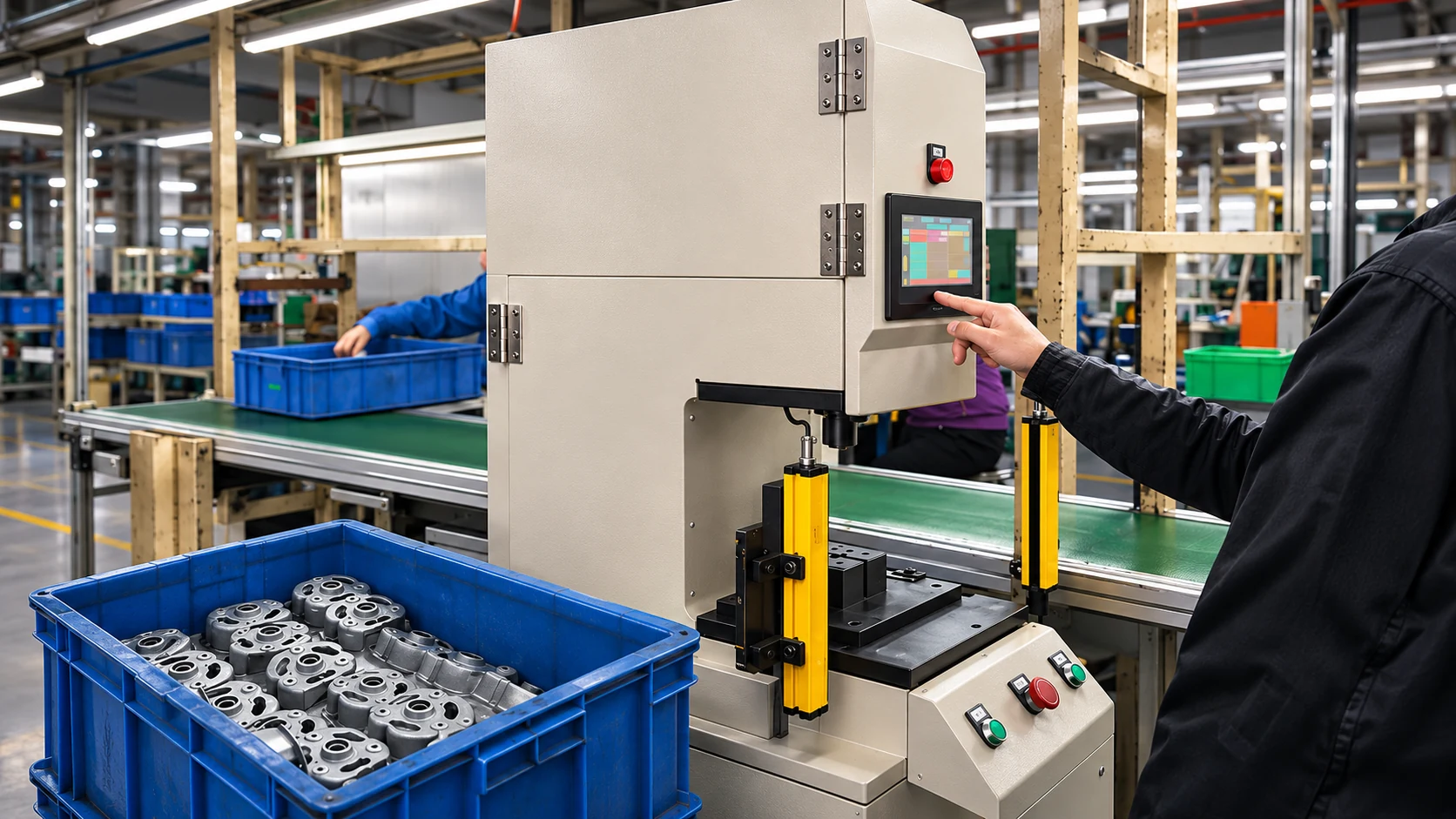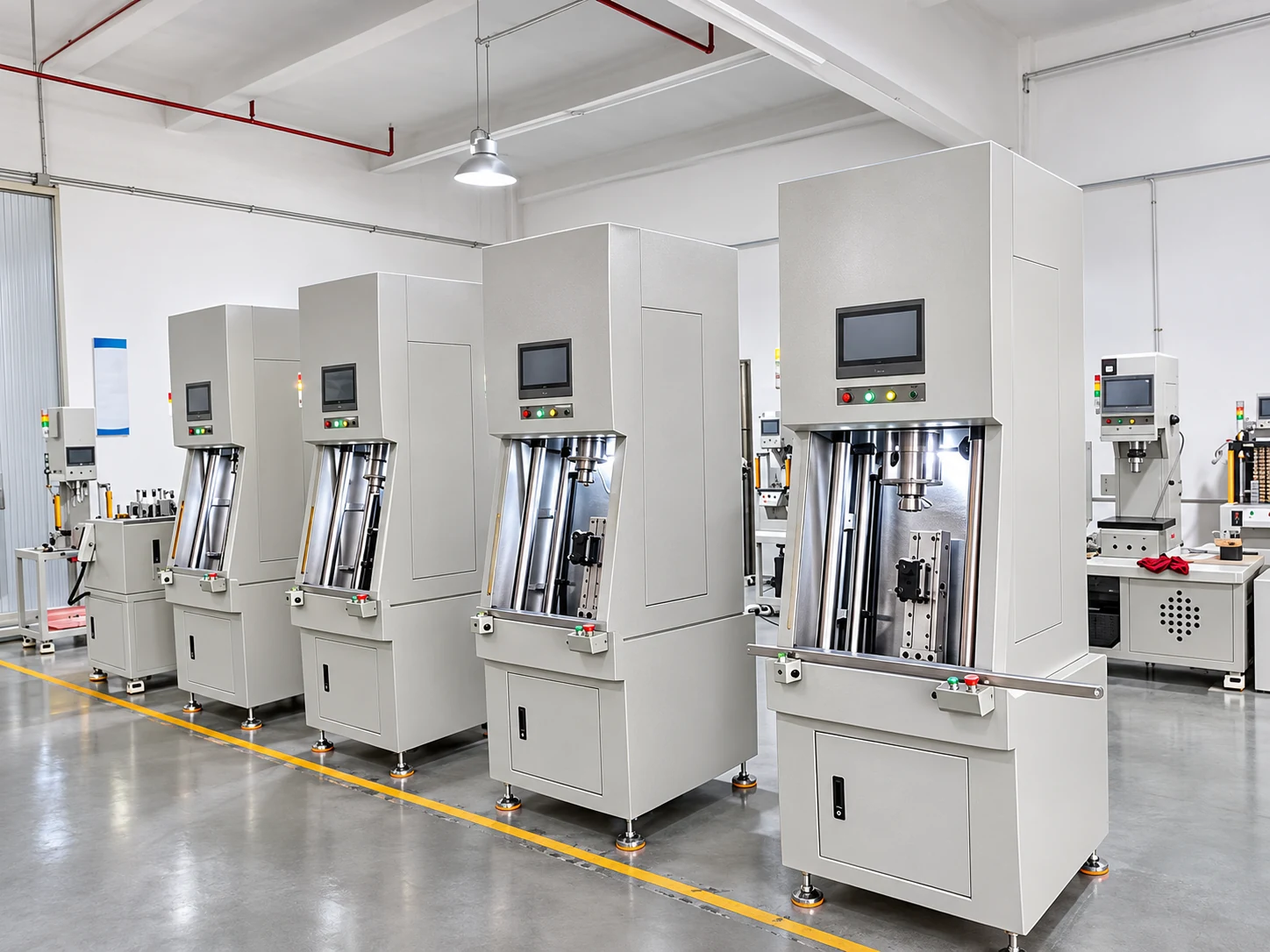
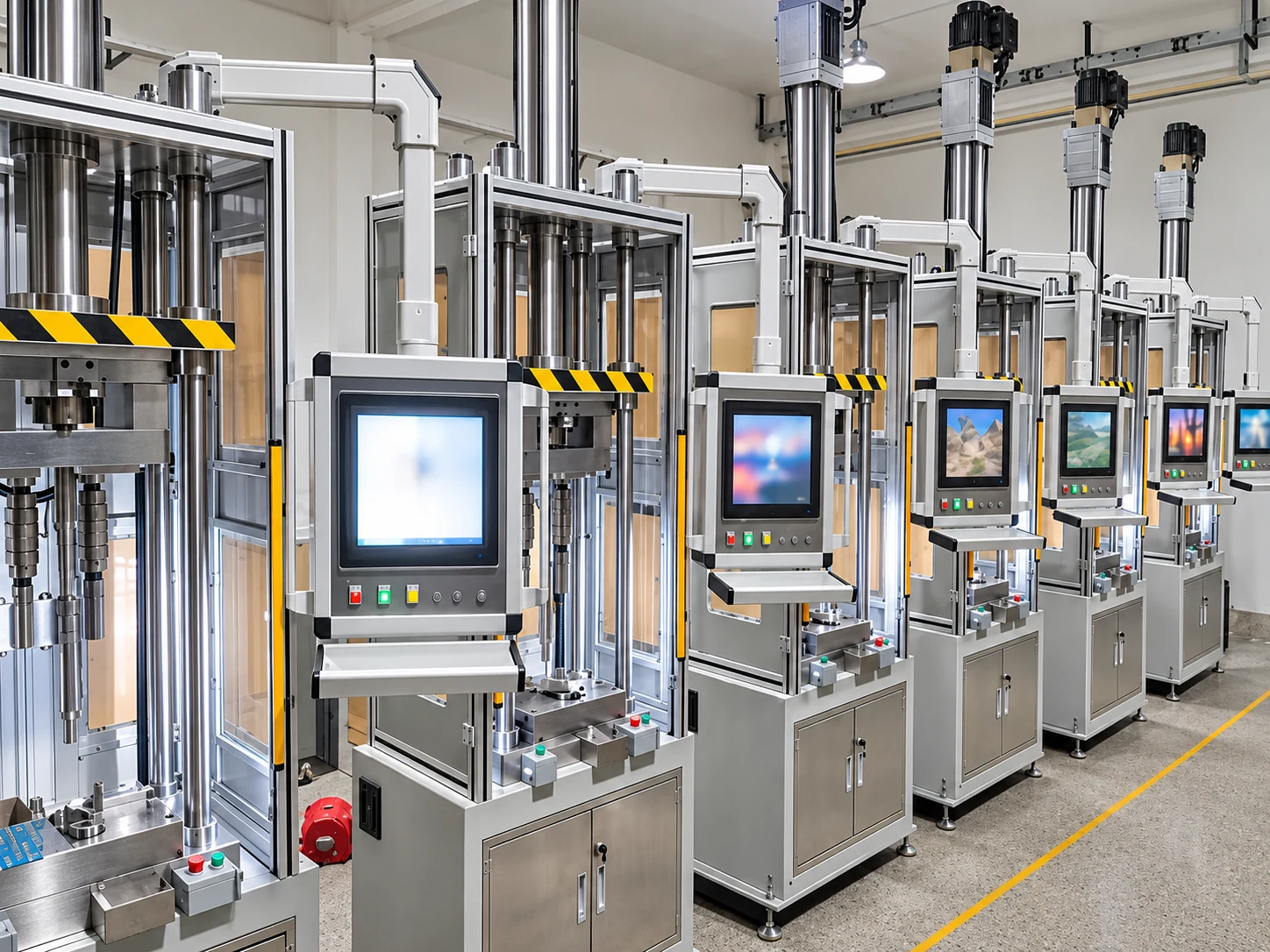
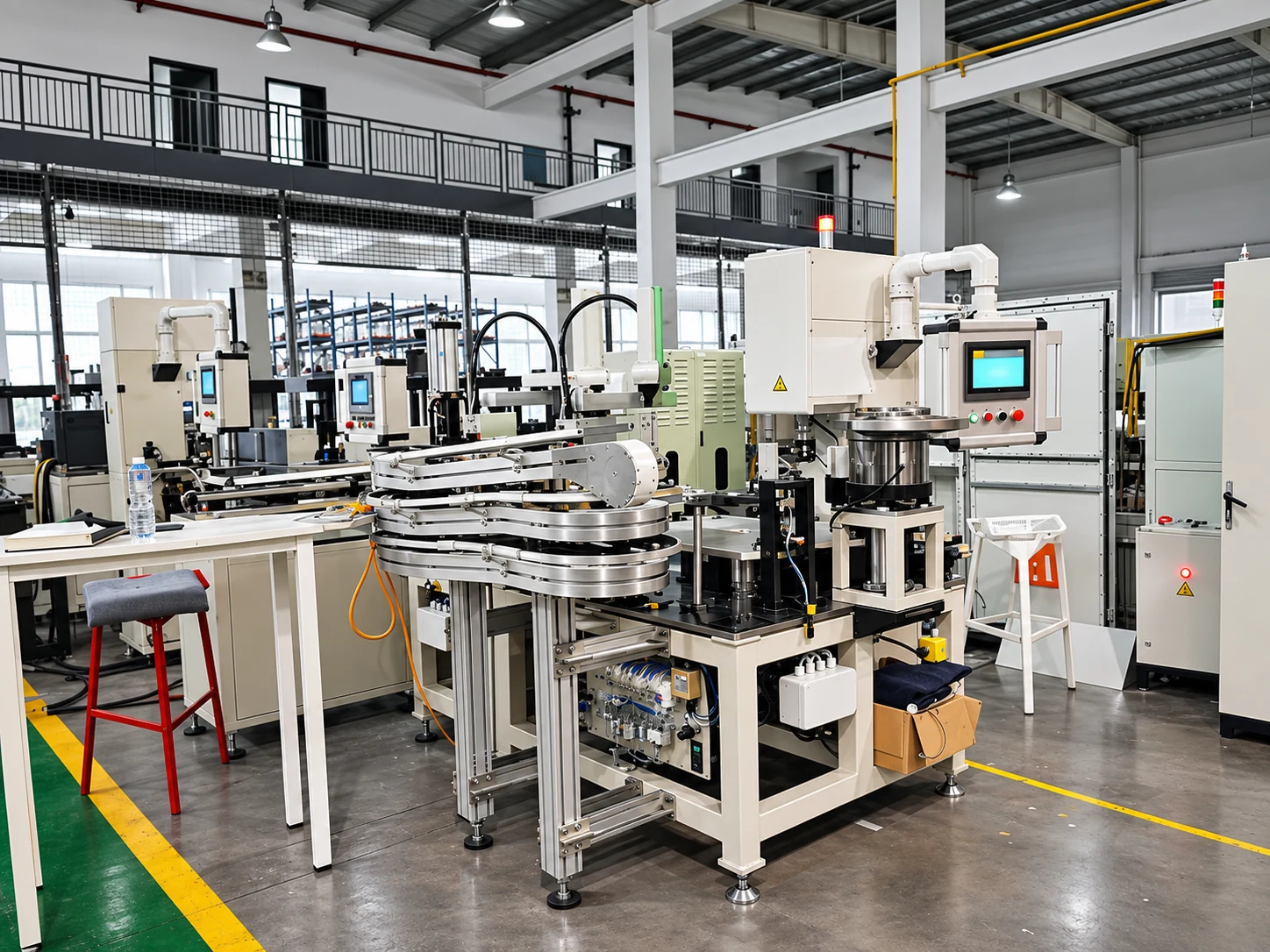
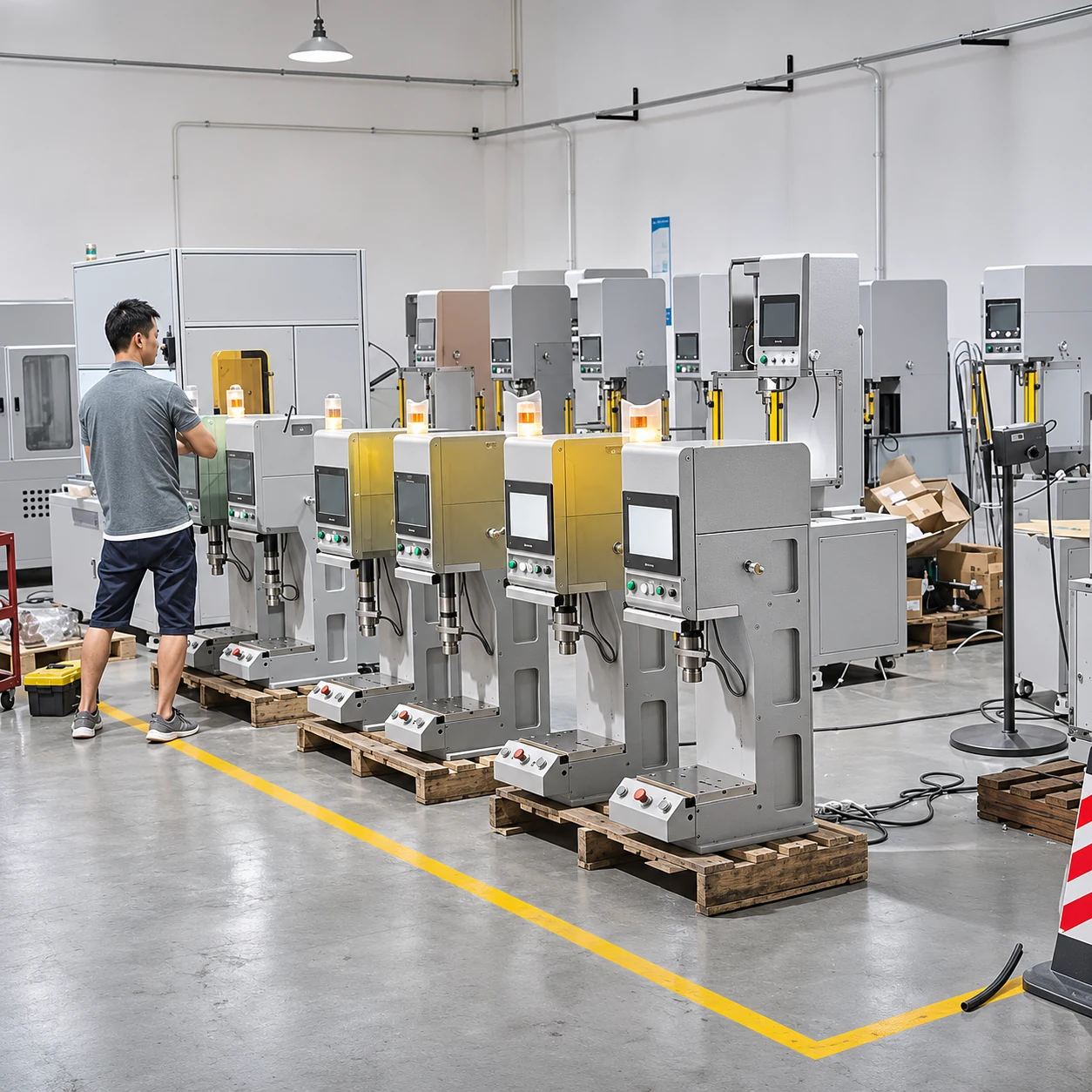
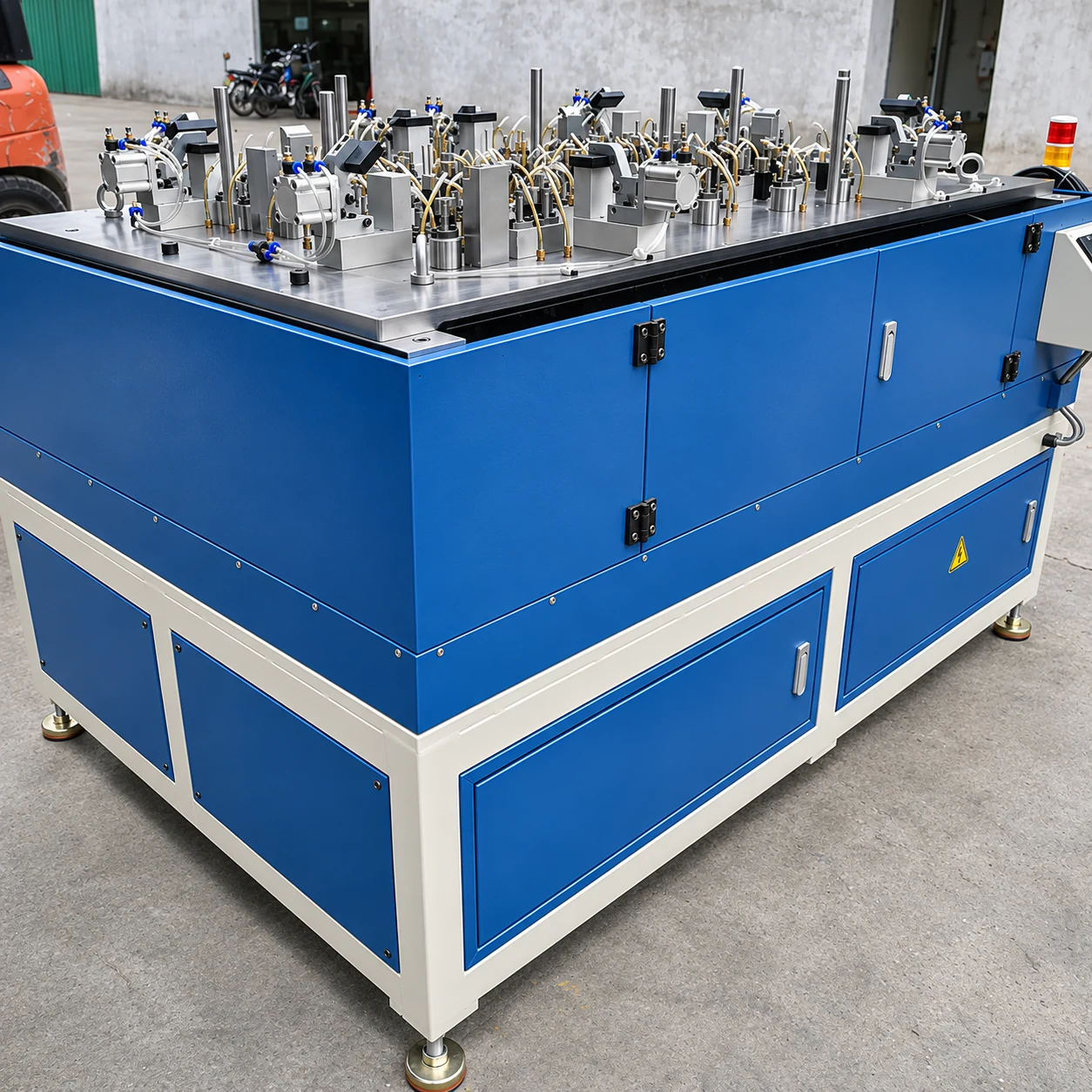
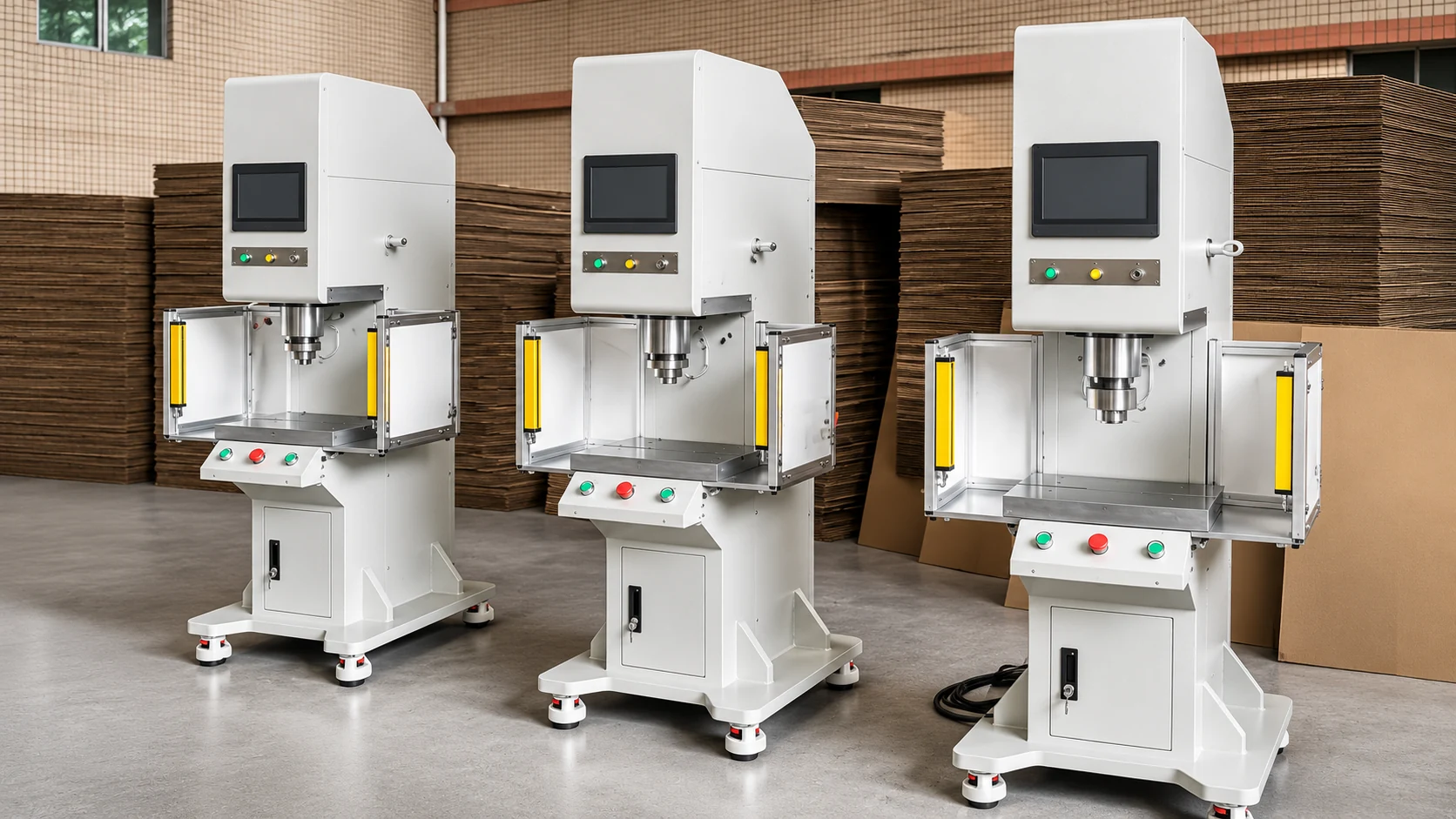
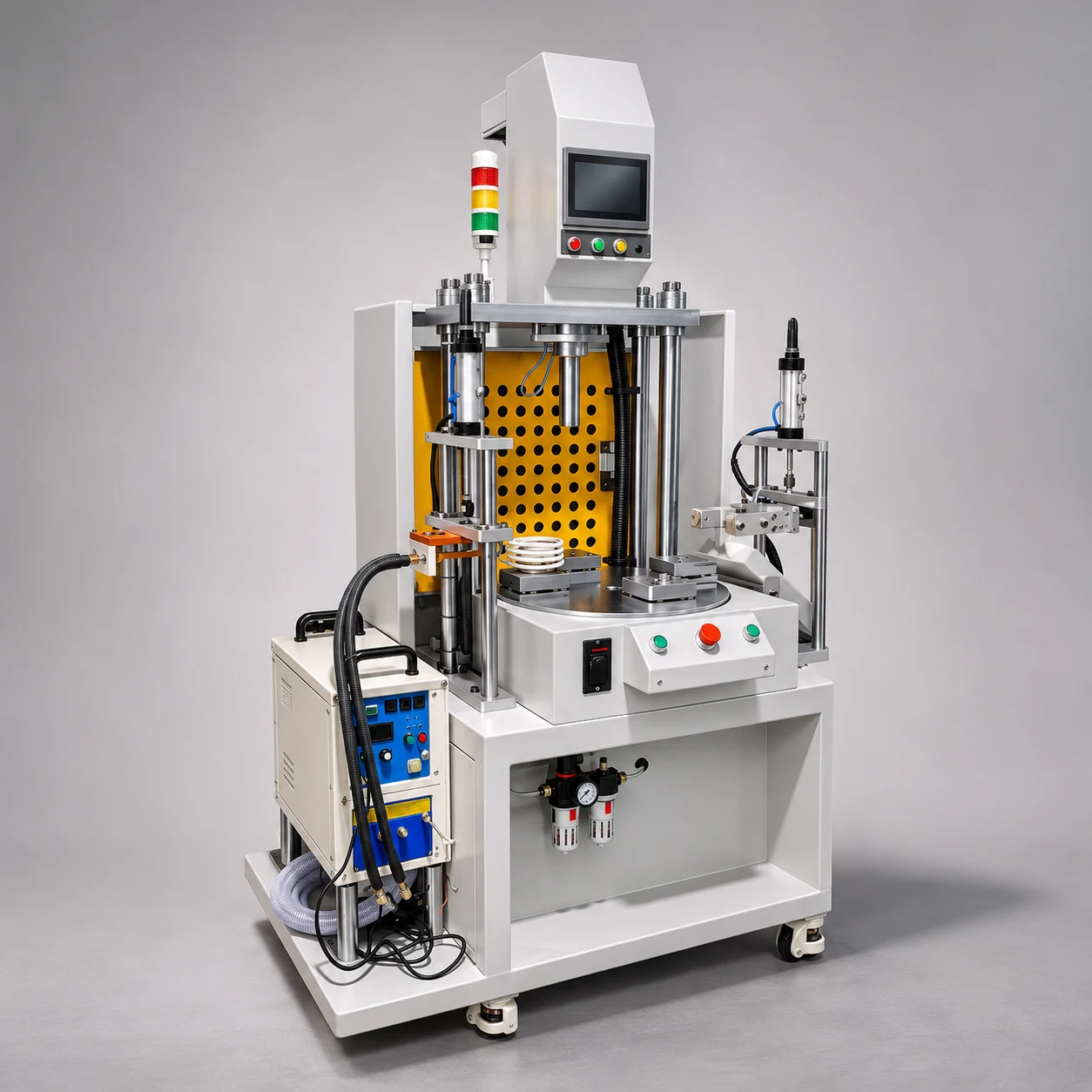
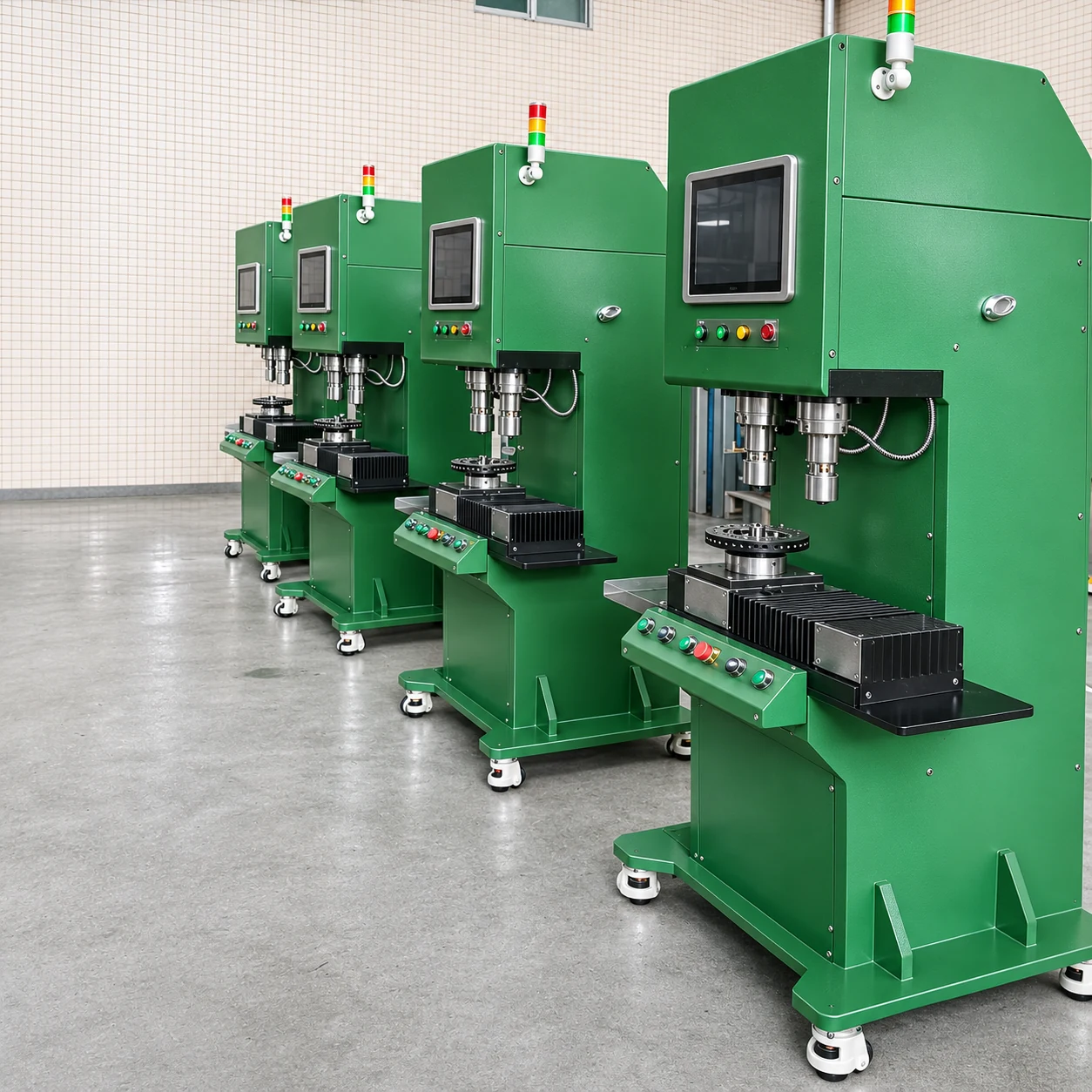
When peak force rises unexpectedly or a part does not seat fully, increasing force immediately may hide the real defect. Separate component, tooling, measurement and recipe causes before adjustment.
Common symptoms and checks
- Excessive force: dimensions, interference, surface condition, lubrication and burrs
- Sudden curve changes: misalignment, foreign material or sensing issues
- Insufficient depth: travel limit, tooling interference, fixture compliance or incomplete seating
- Large batch variation: incoming material, temperature and recipe changes
- Loose final fit: insufficient interference, surface damage or low retention force
Keep the full process curve, fixture number, lot and operation time together for failed parts. Check actual dimensions and load paths, then repeat validation using acceptable and controlled abnormal samples after making changes. Similar curve patterns can have different root causes.
This article is general engineering guidance. Machine functions, performance and acceptance criteria must be confirmed against representative samples and the specific project agreement.
Discuss an application with BRUNSK. You may share appropriate drawings, materials, target force, stroke, cycle time and inspection requirements.