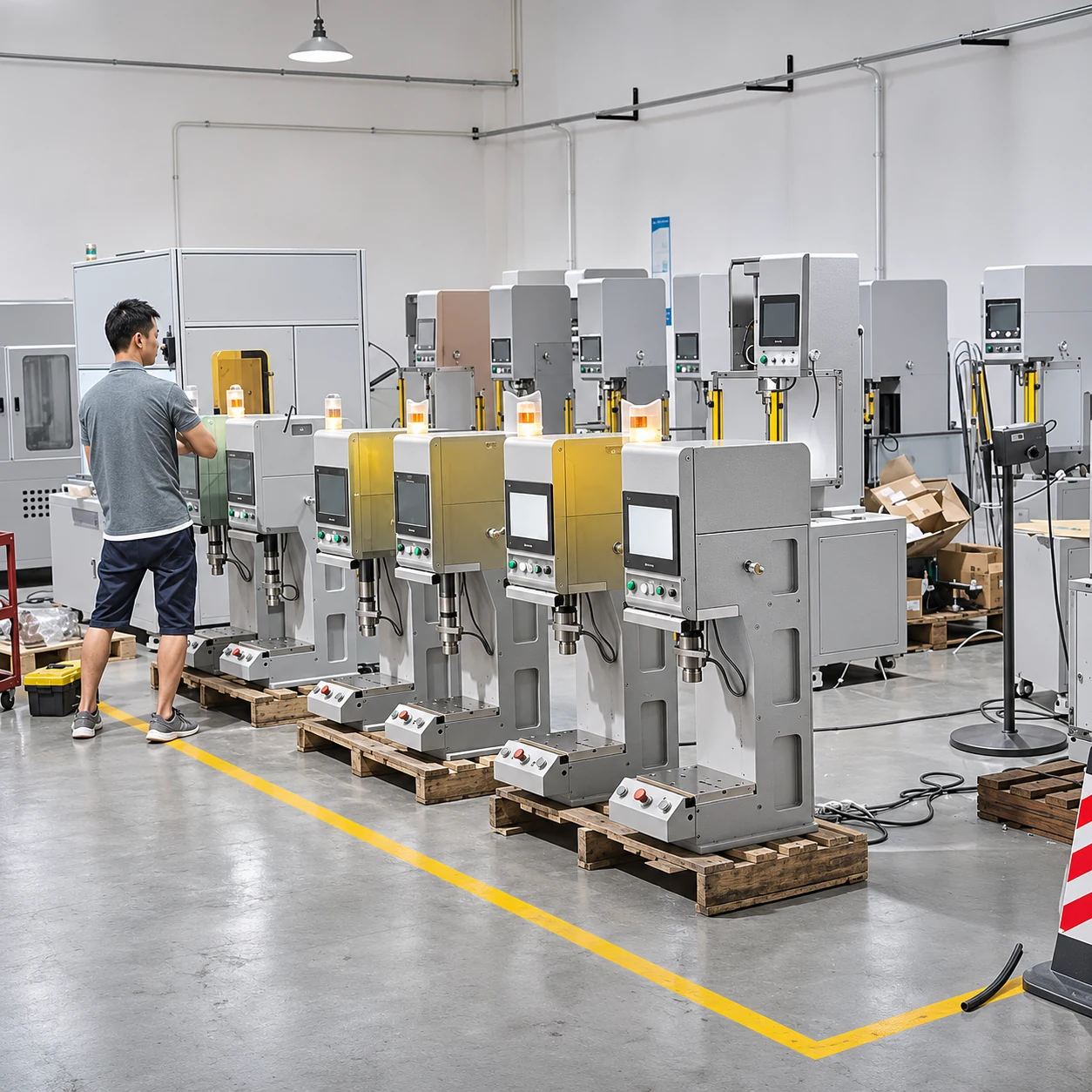
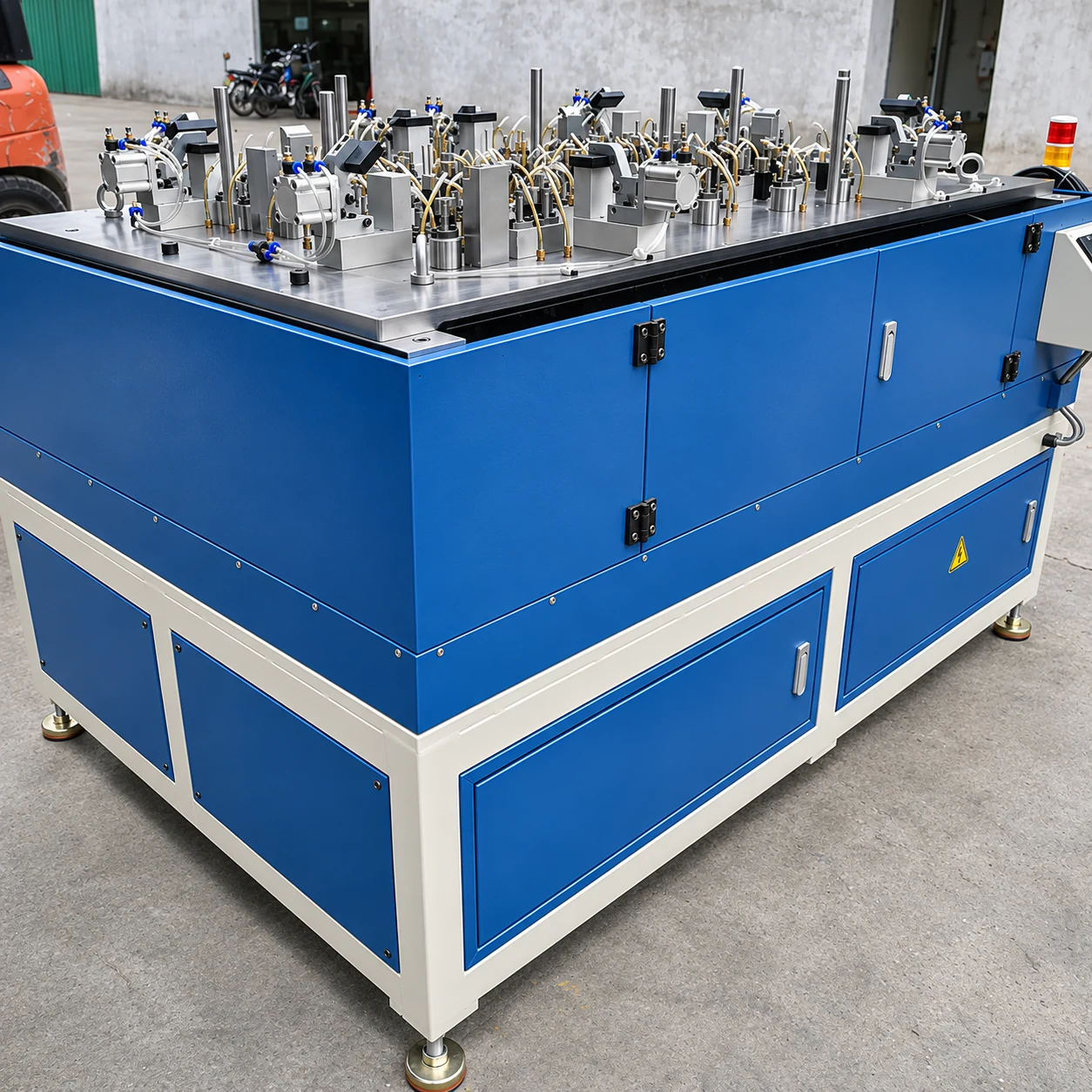
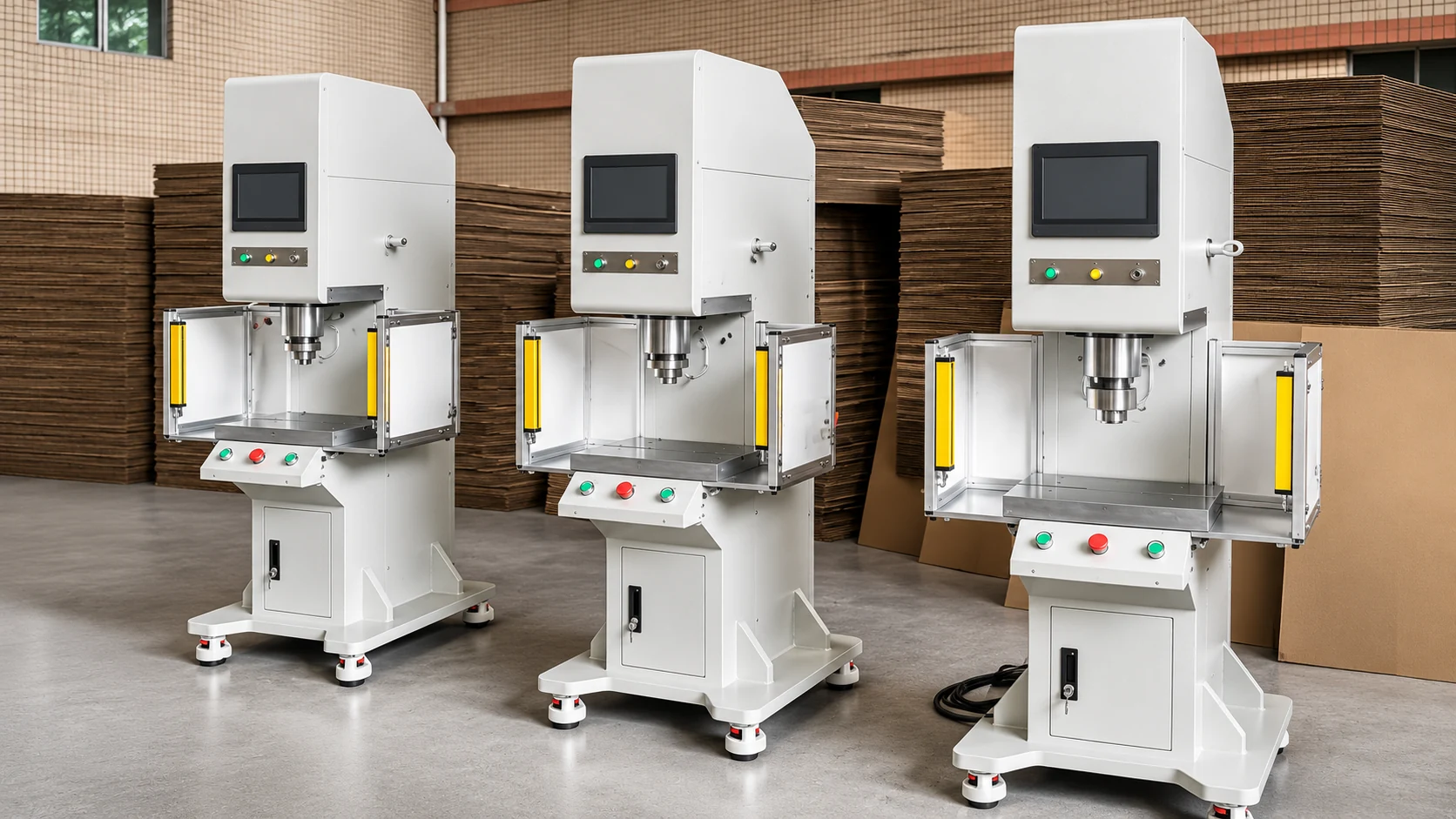
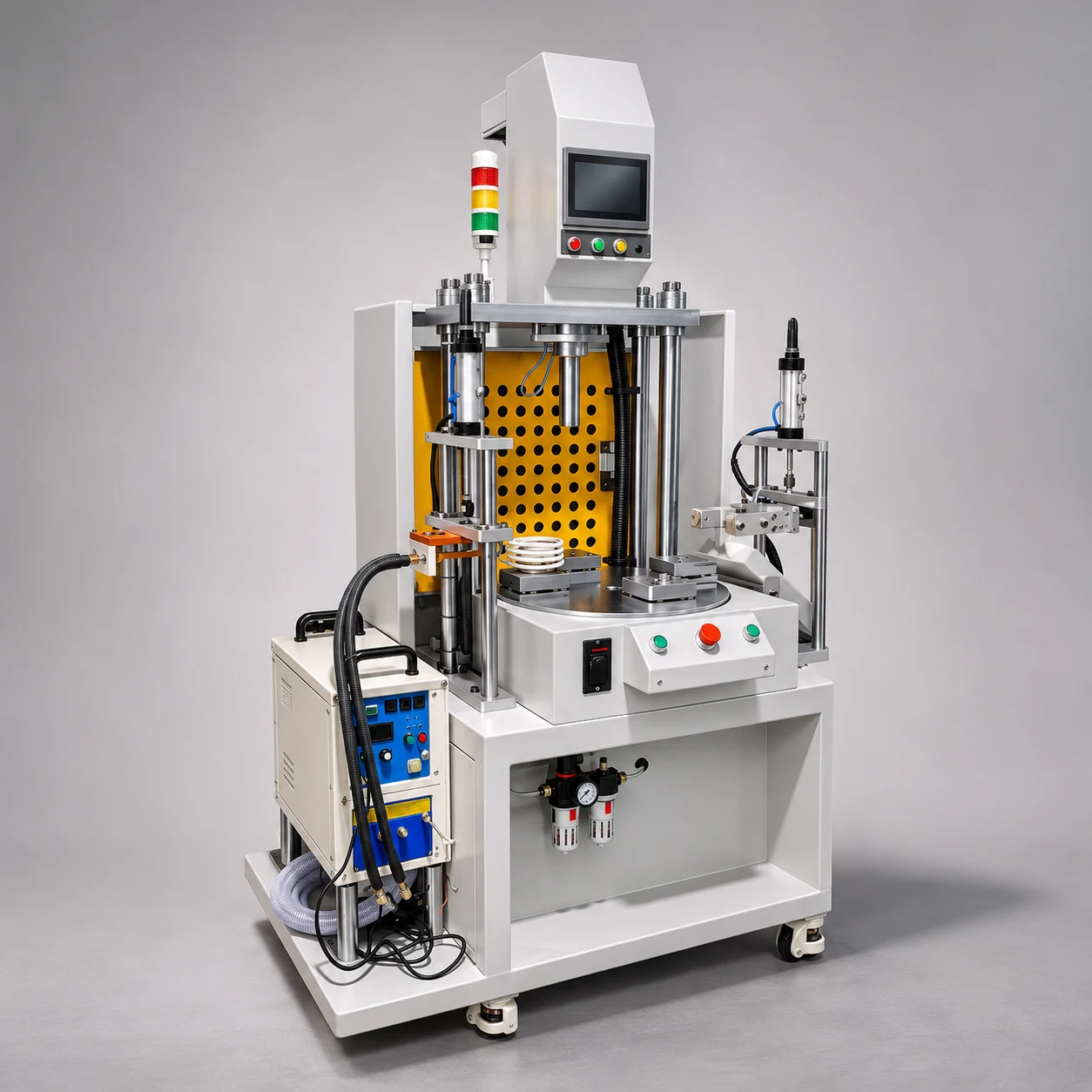
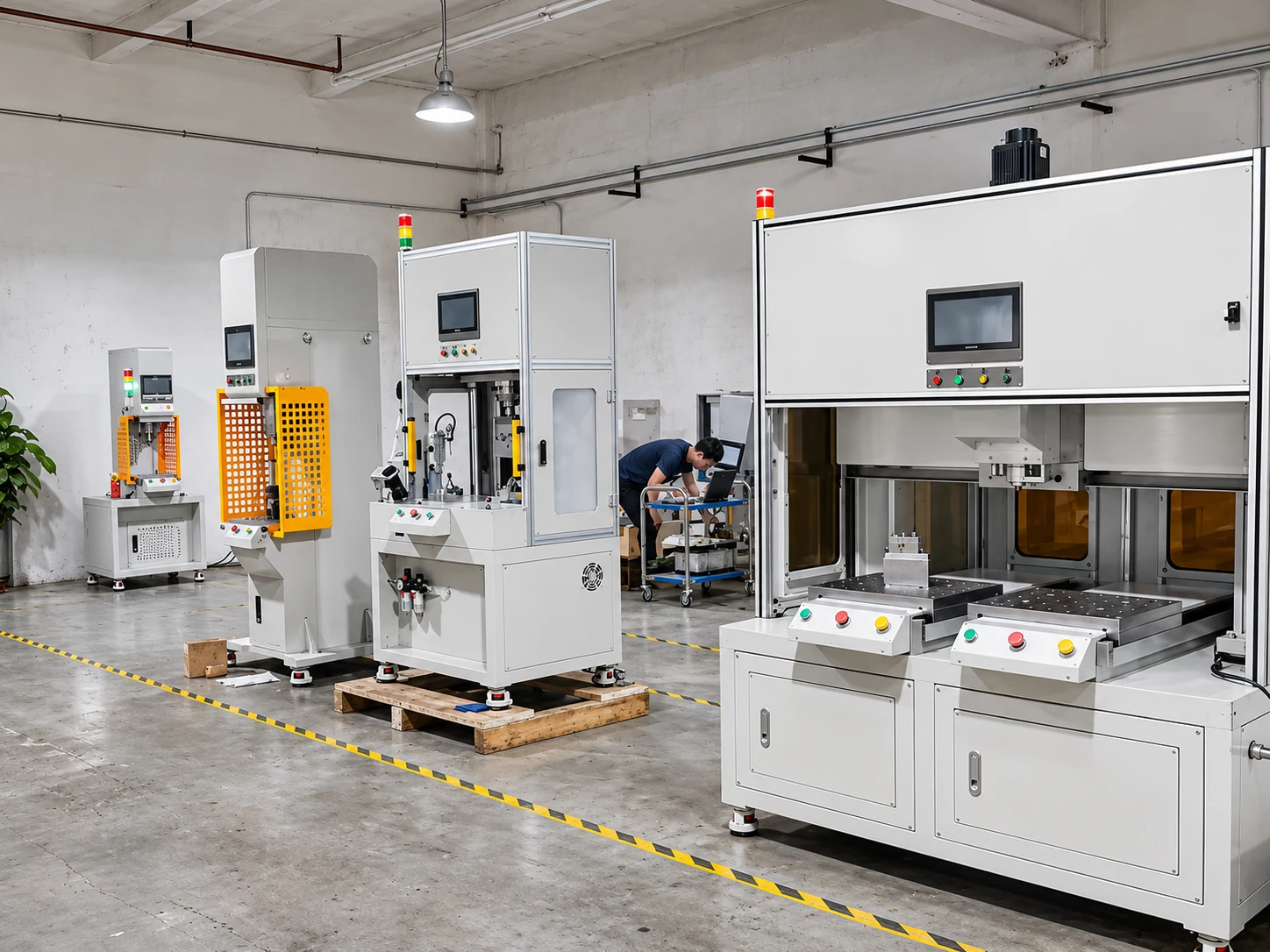
For bearing, bushing and shaft assembly, selecting a press begins with the workpiece, fixture and acceptance requirements. The largest advertised force is rarely enough to make a sound equipment choice.
Compare the complete process
- Peak pressing force, required safety margin and any off-center loading
- Target depth, useful stroke, tooling height and available working space
- Force, position and speed control requirements for each process stage
- Force–displacement records, OK/NG rules and data output needs
- Cycle time, maintenance, noise and utilities in the actual factory
Electric servo presses can make it convenient to program motion and capture pressing data. Hydraulic systems remain appropriate for many high-load and special-duty applications. Neither drive type is automatically more accurate: sensors, rigidity, controls and validation determine performance. Evaluate representative parts and measure their dimensions and functional results before selecting a system.
This article is general engineering guidance. Machine functions, performance and acceptance criteria must be confirmed against representative samples and the specific project agreement.
Discuss an application with BRUNSK. You may share appropriate drawings, materials, target force, stroke, cycle time and inspection requirements.