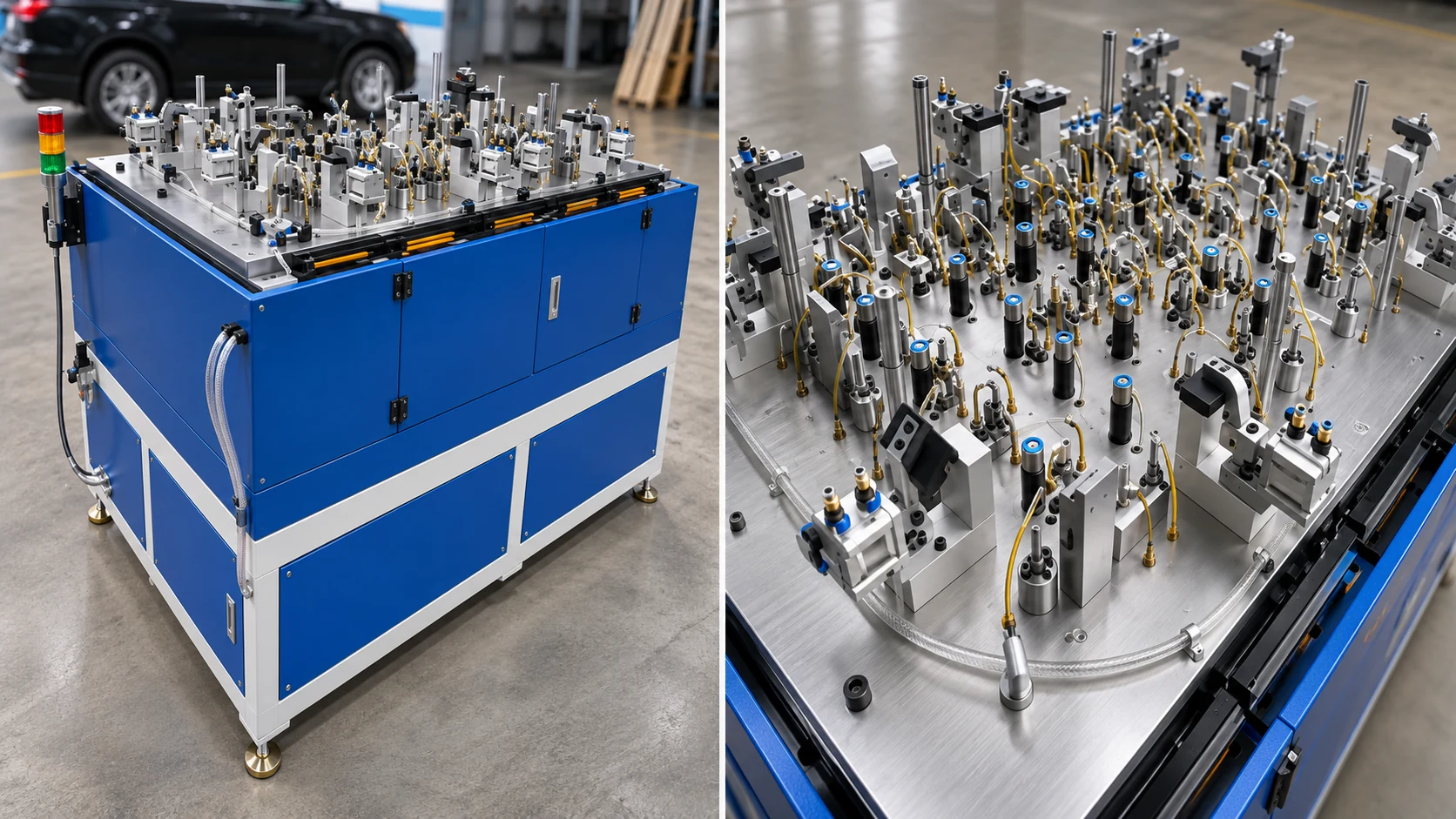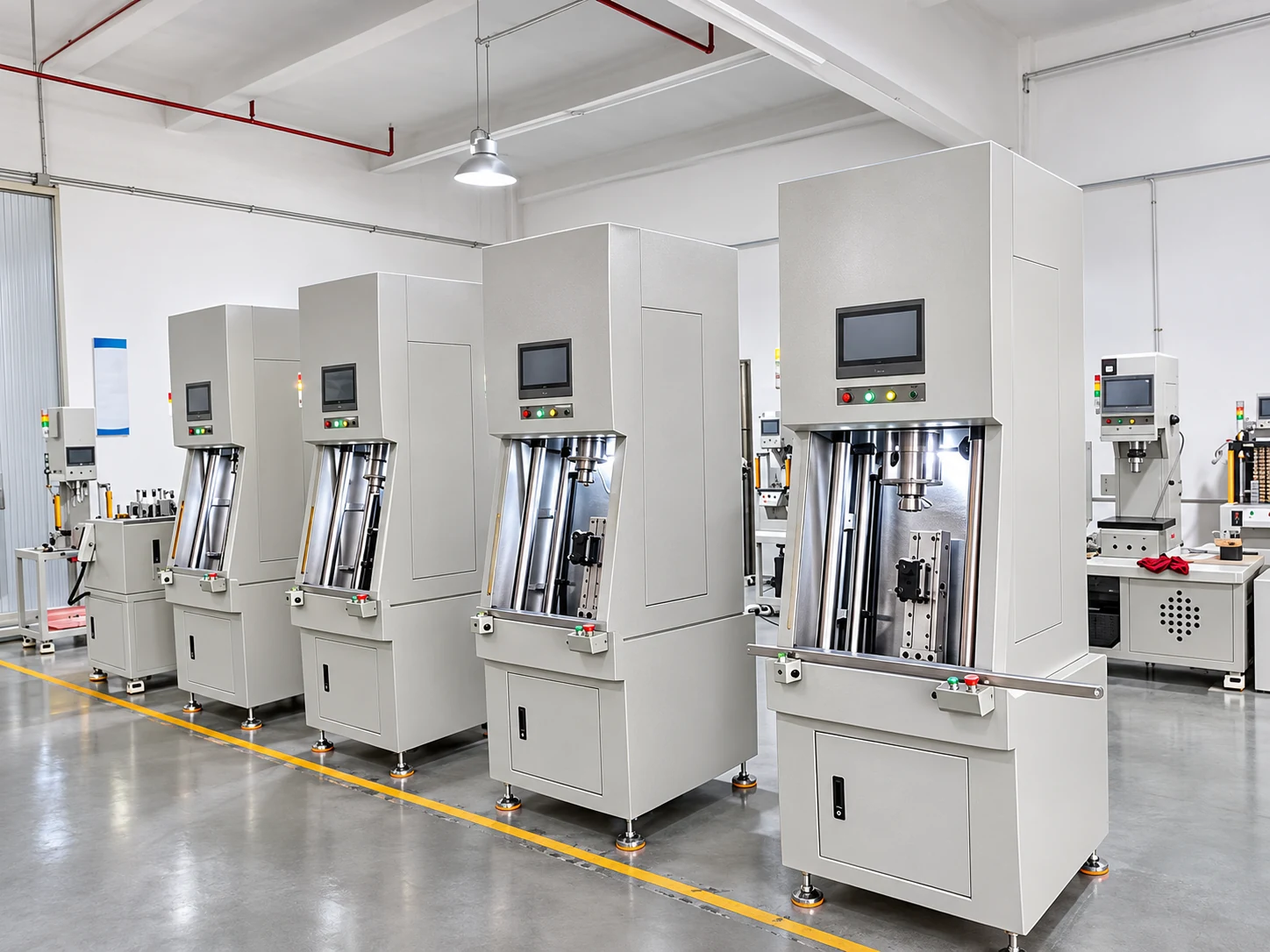

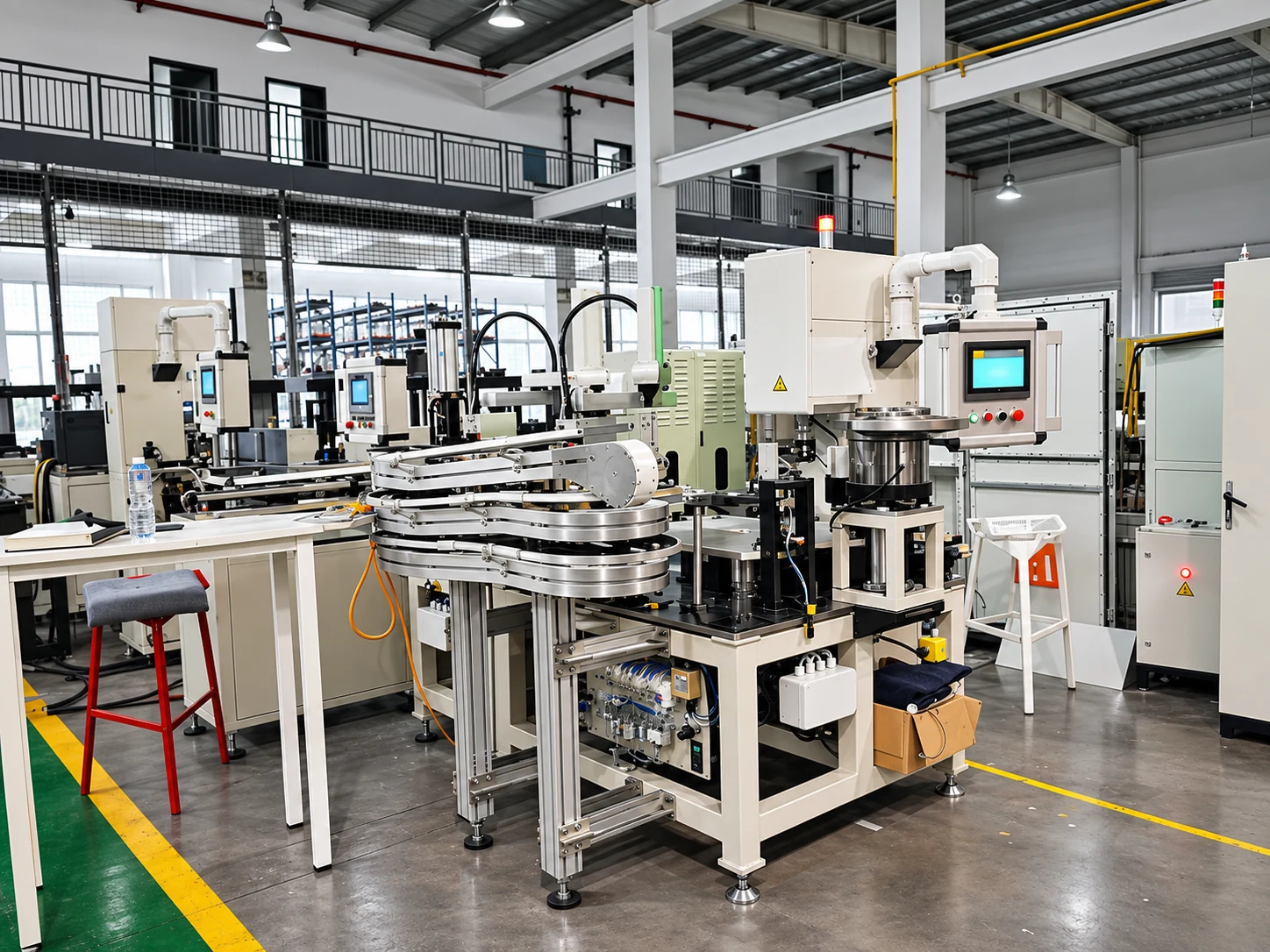
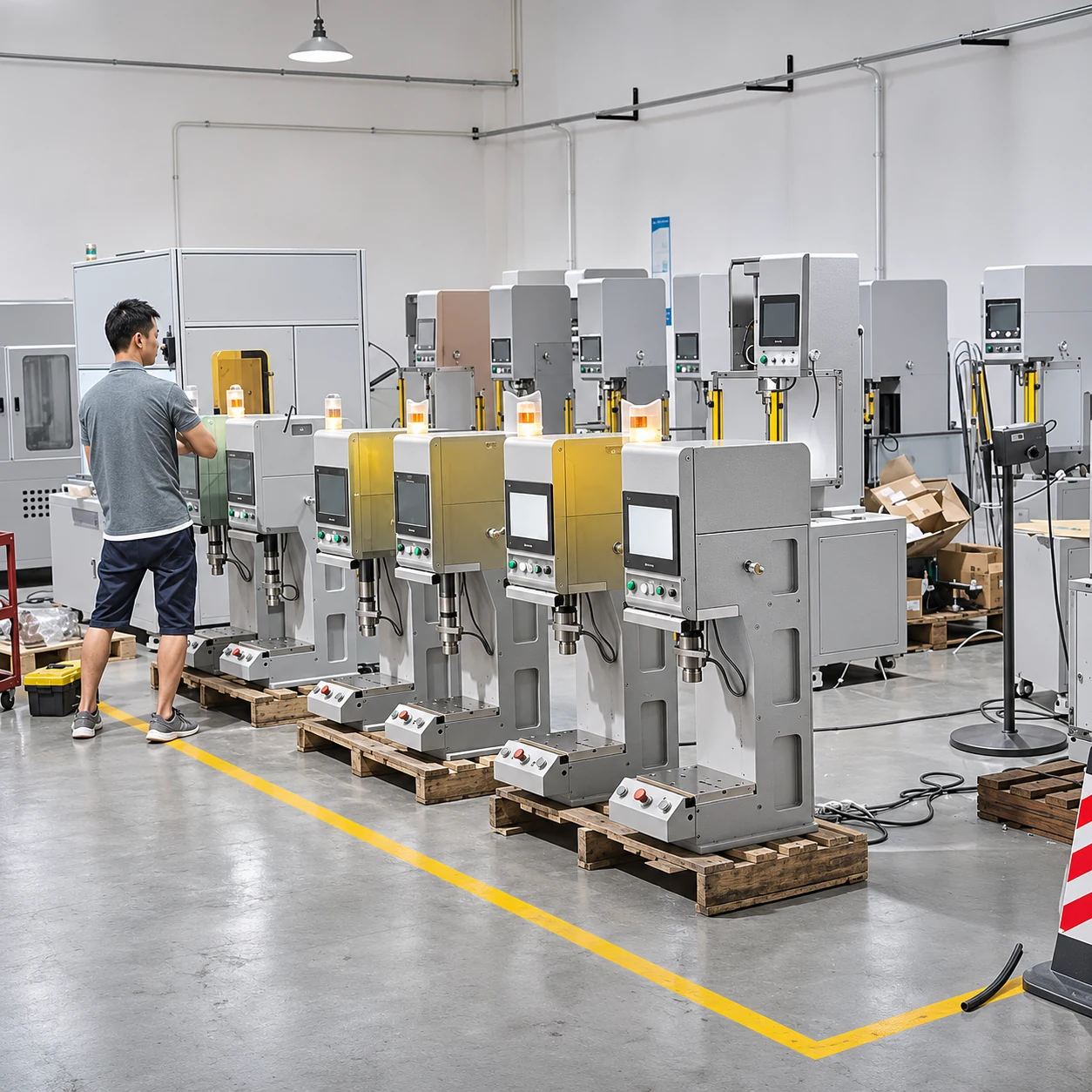
A bearing that has reached its nominal assembly position is not necessarily acceptable. Incorrect application of press force can damage raceways, while fit dimensions and final seating must be independently verified.
Check force paths and acceptance evidence
- When the inner ring has the interference fit, normally apply assembly force to the inner ring
- When the outer ring has the interference fit, normally apply force to the outer ring
- When both rings have interference fits, design appropriate simultaneous support
- Verify pre-assembly dimensions, alignment and component surface condition
- Review force–displacement data together with final depth and functional tests
Assembly load should not pass through rolling elements. A process curve may reveal misalignment, excess interference or missing parts, but different defects can produce similar traces. Establish maximum force, position windows and sample testing from the actual bearing type, drawing and product specification.
This article is general engineering guidance. Machine functions, performance and acceptance criteria must be confirmed against representative samples and the specific project agreement.
Discuss an application with BRUNSK. You may share appropriate drawings, materials, target force, stroke, cycle time and inspection requirements.