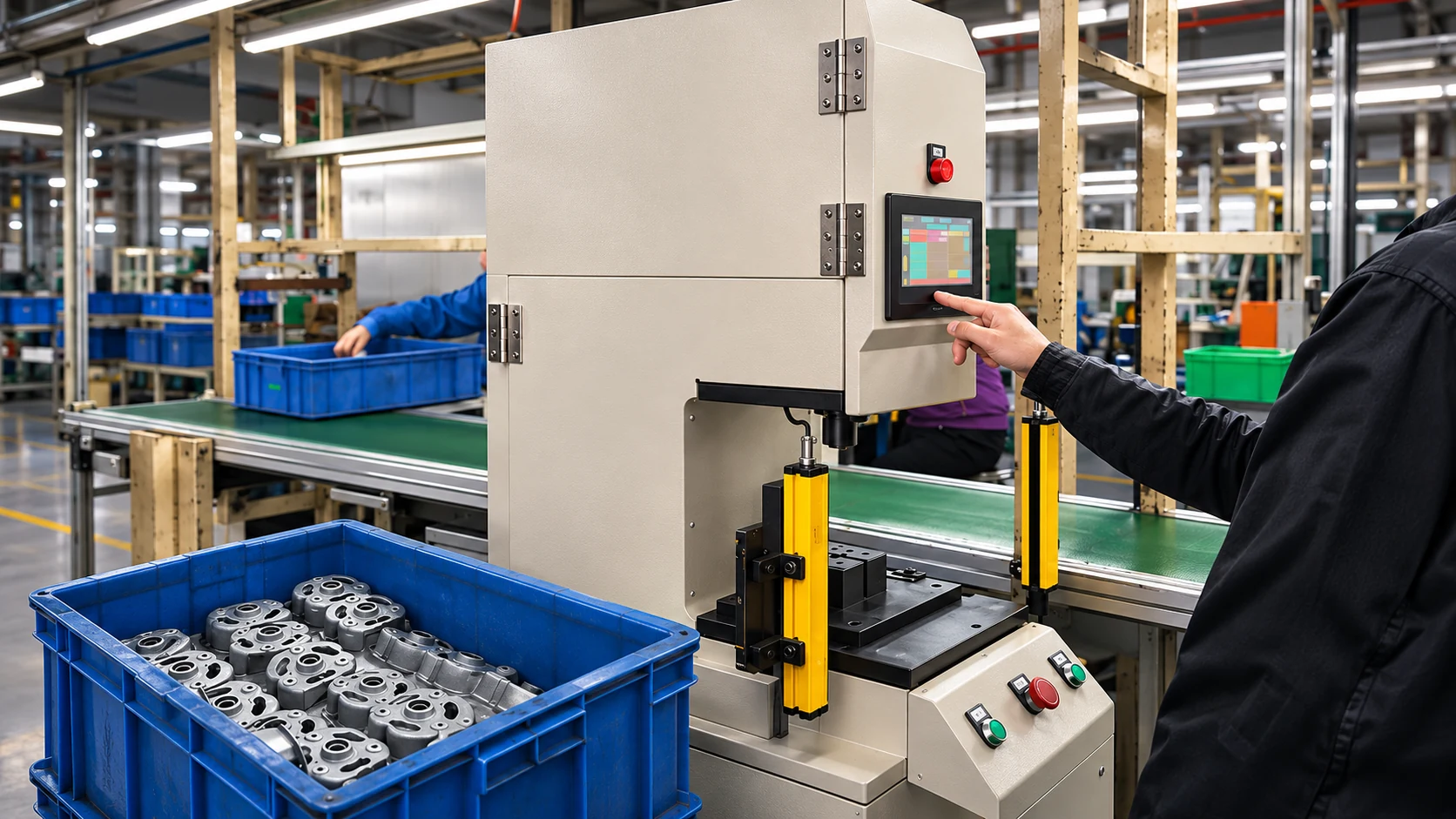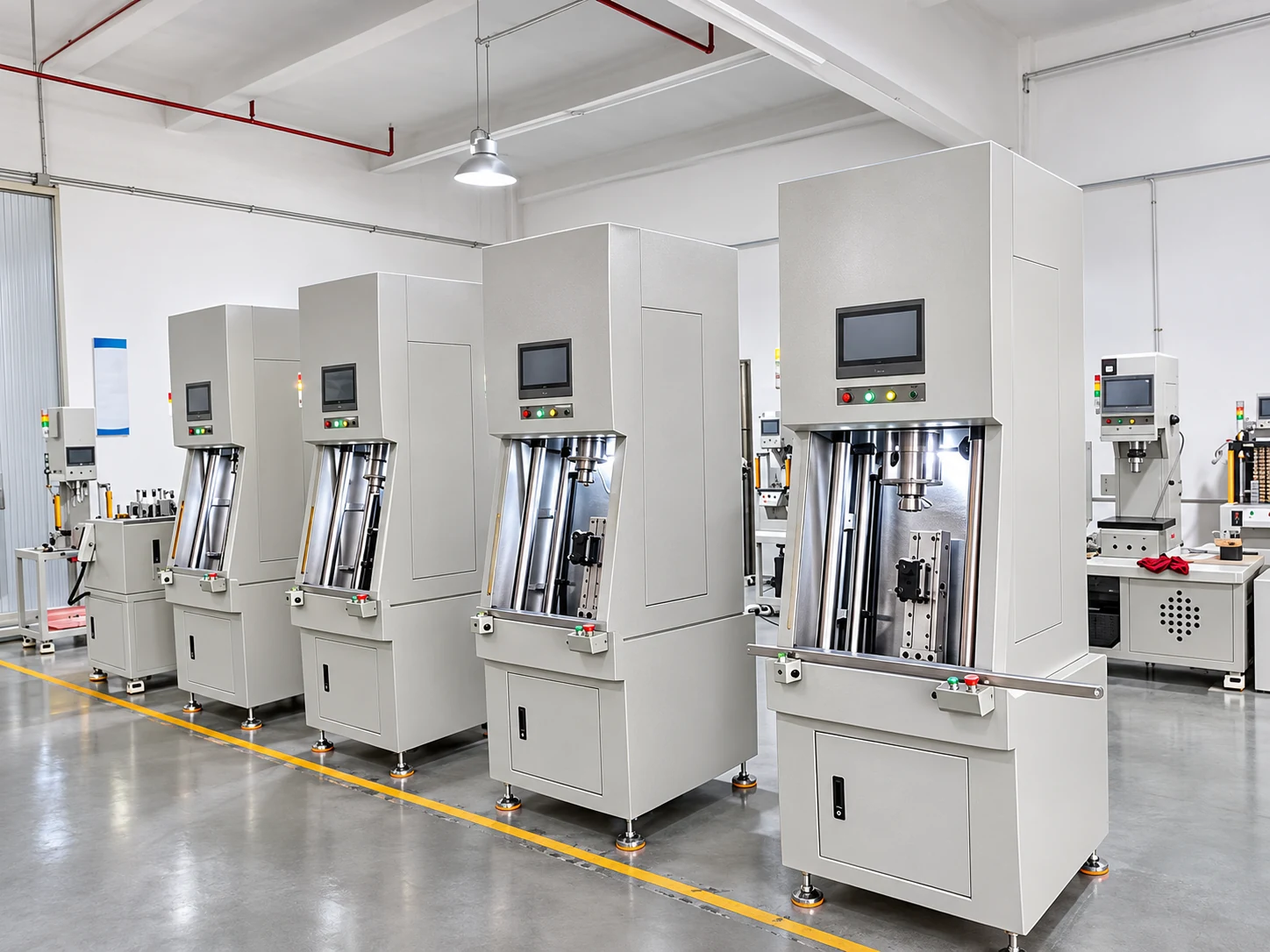
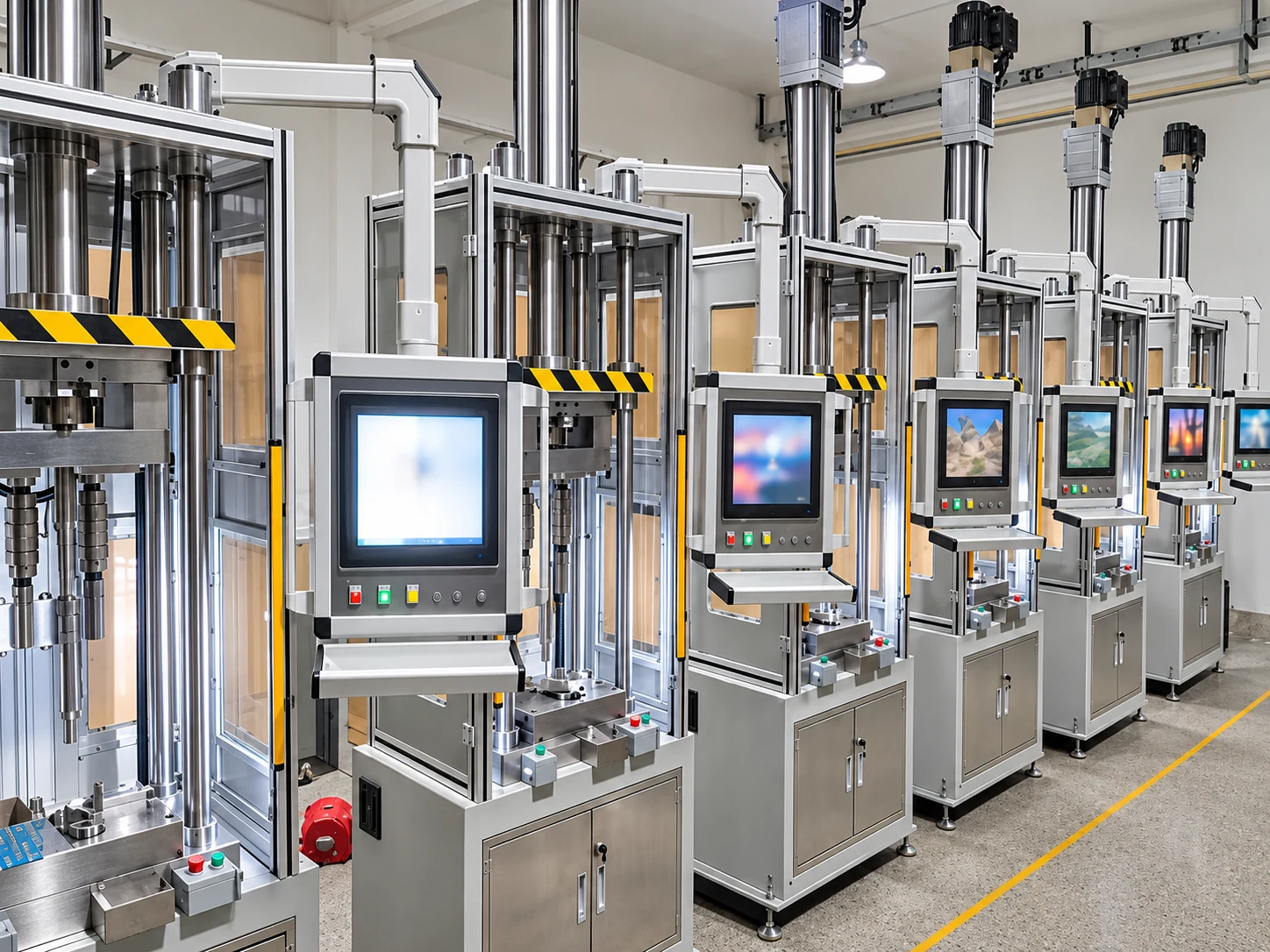
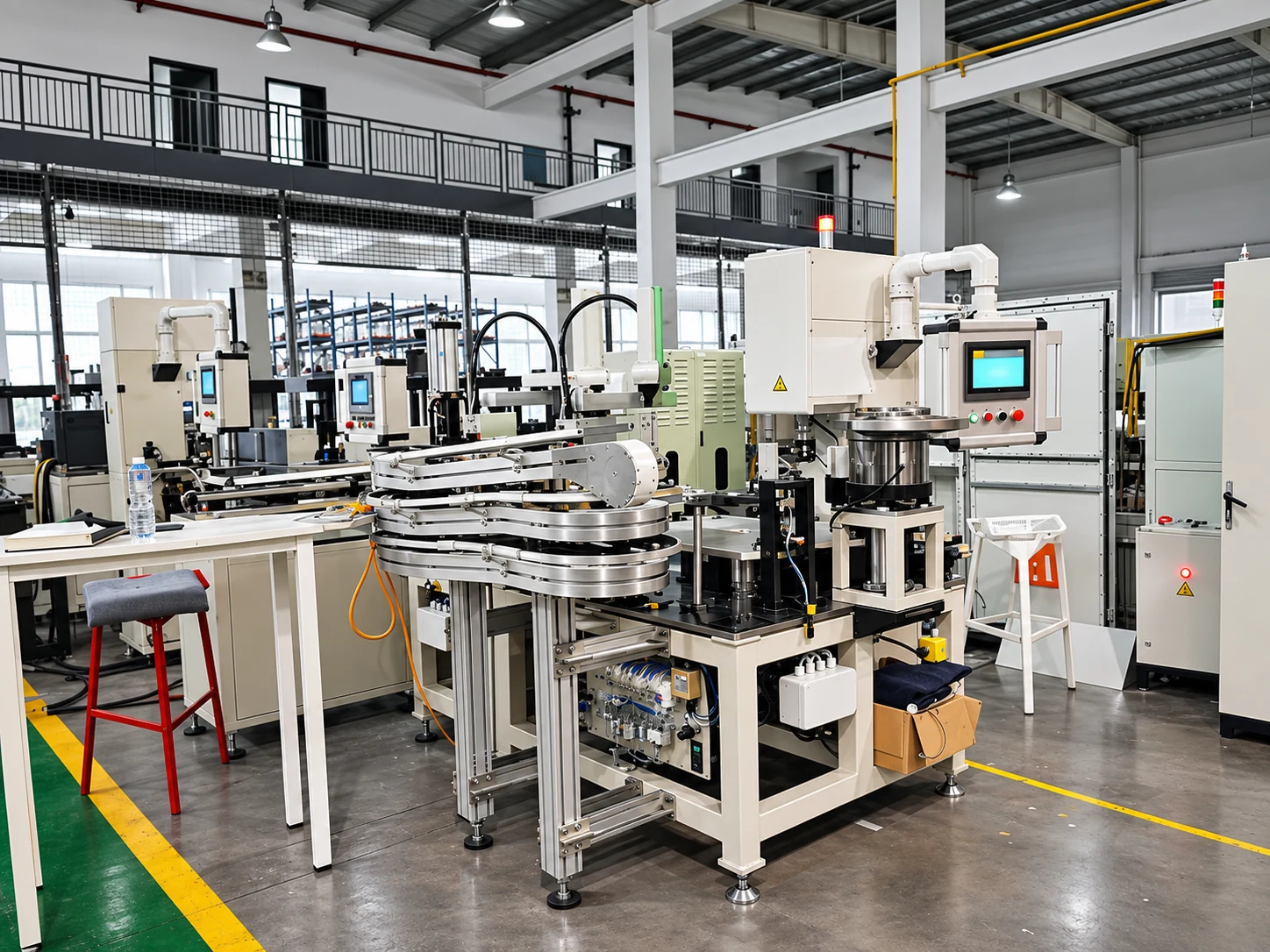
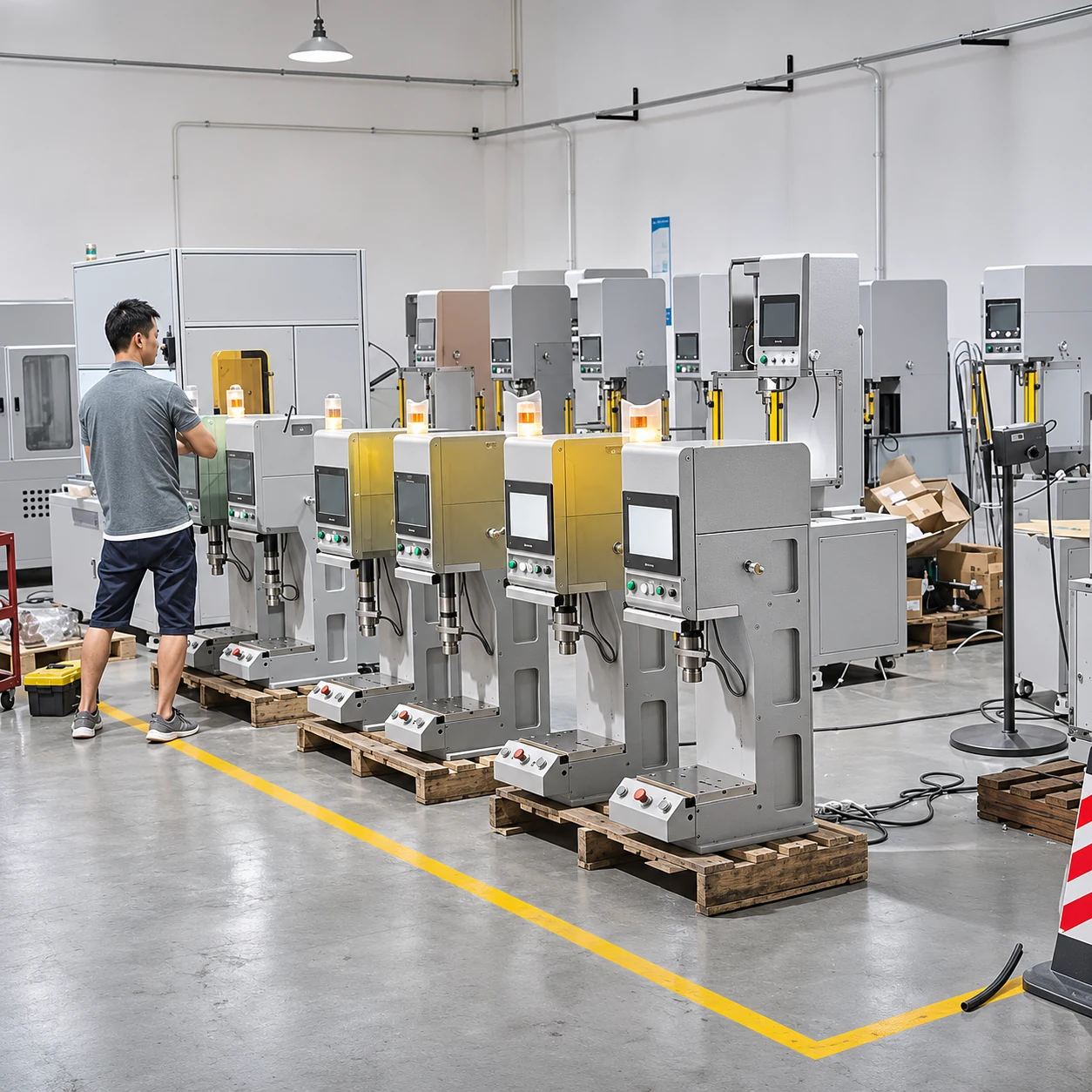
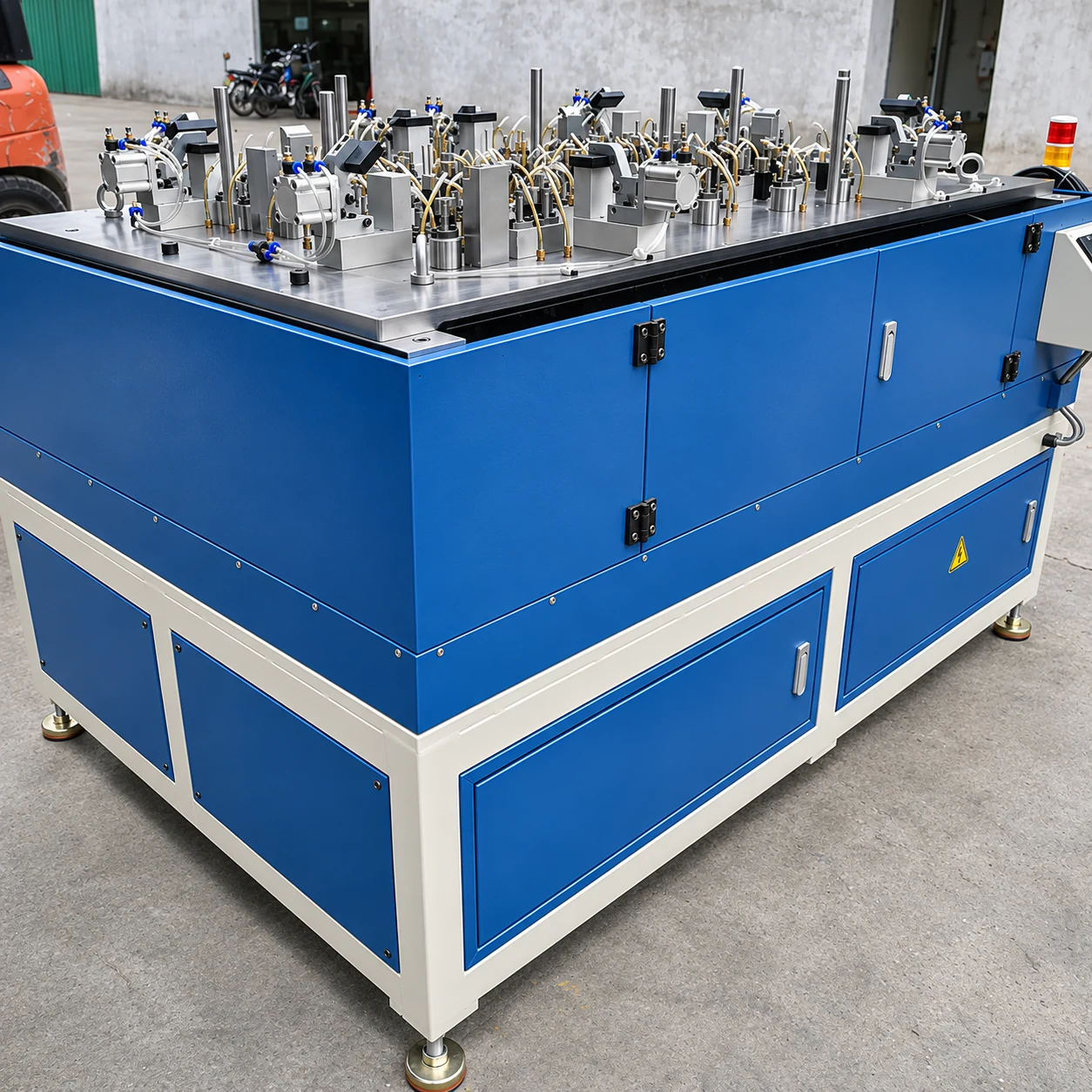
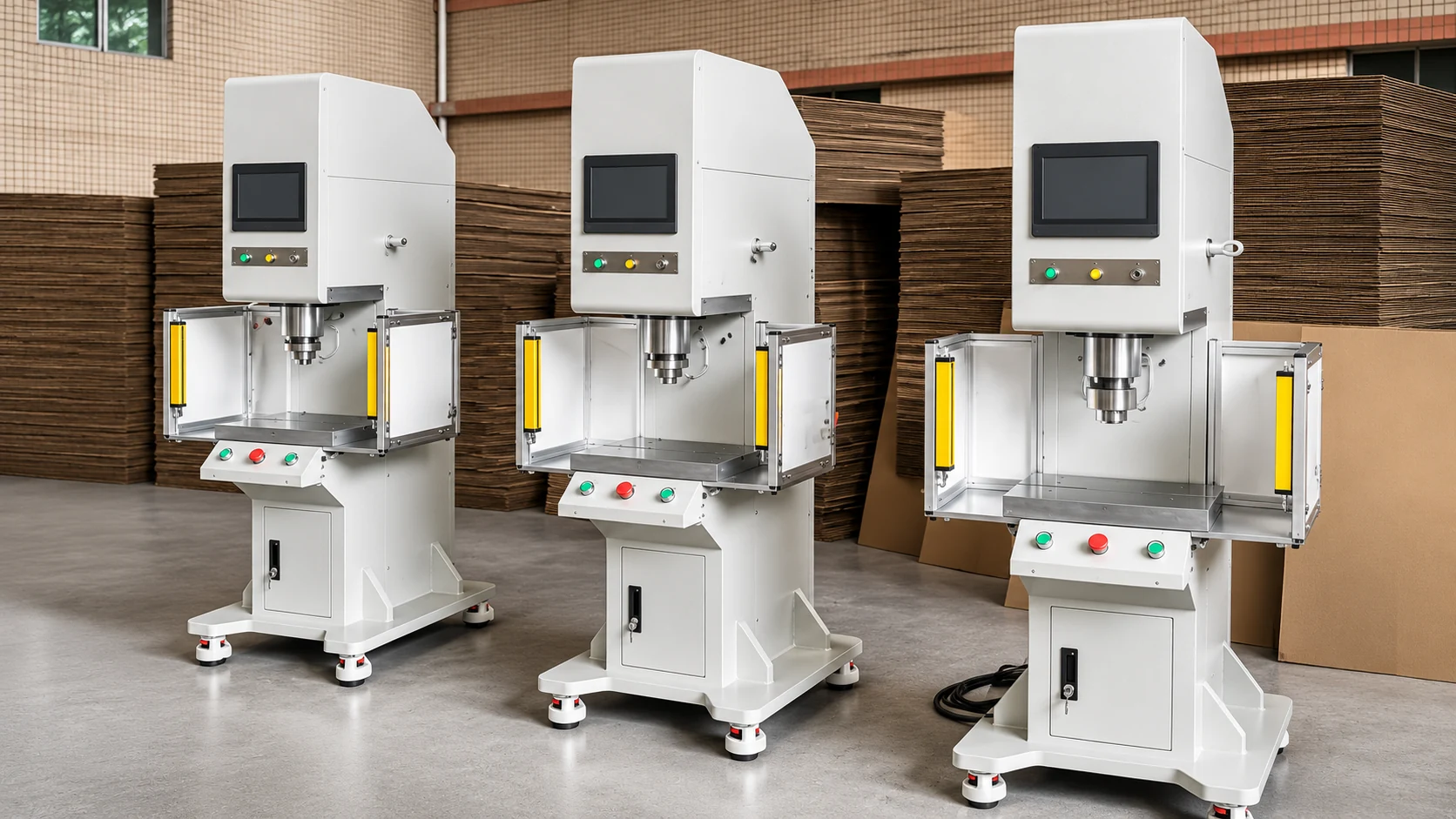
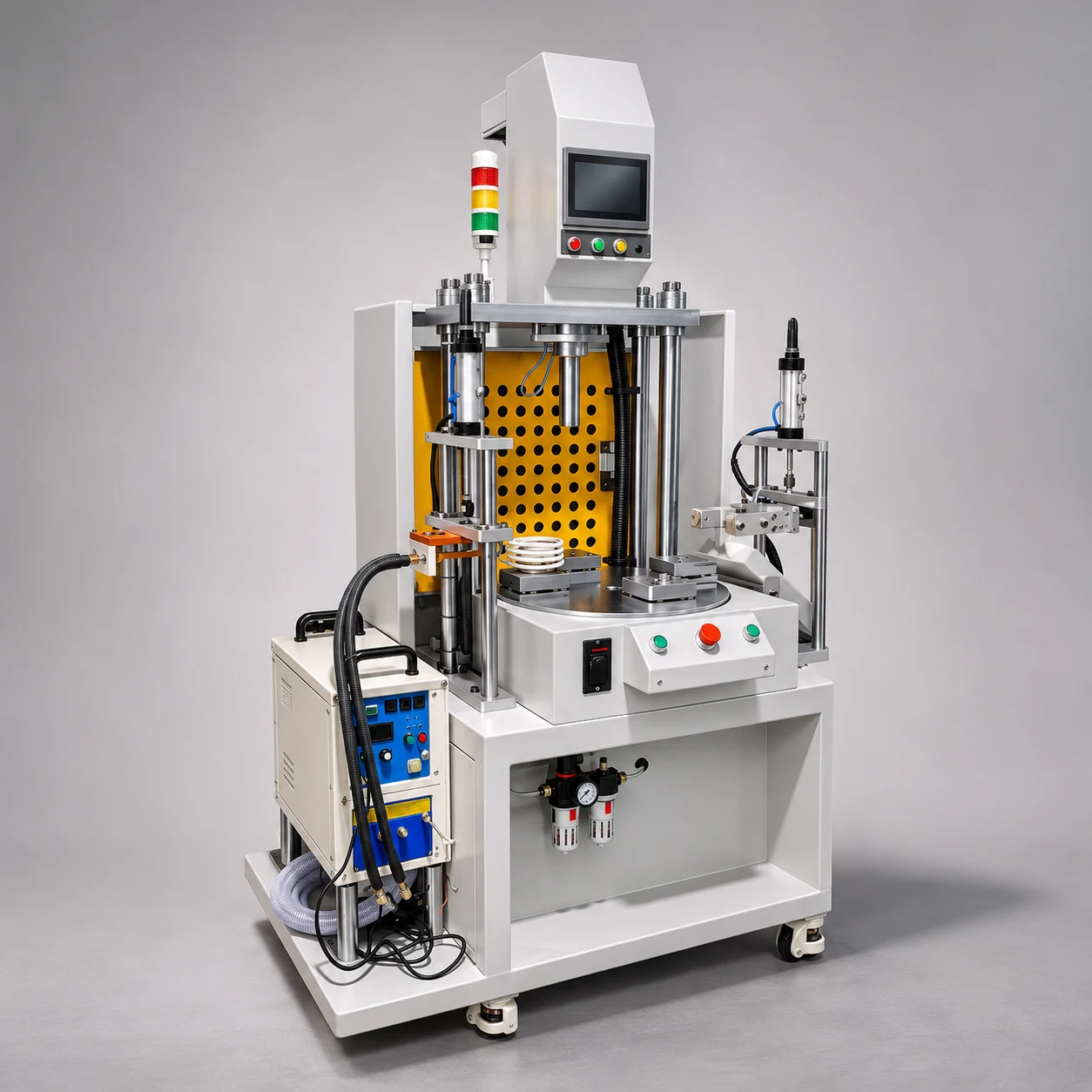
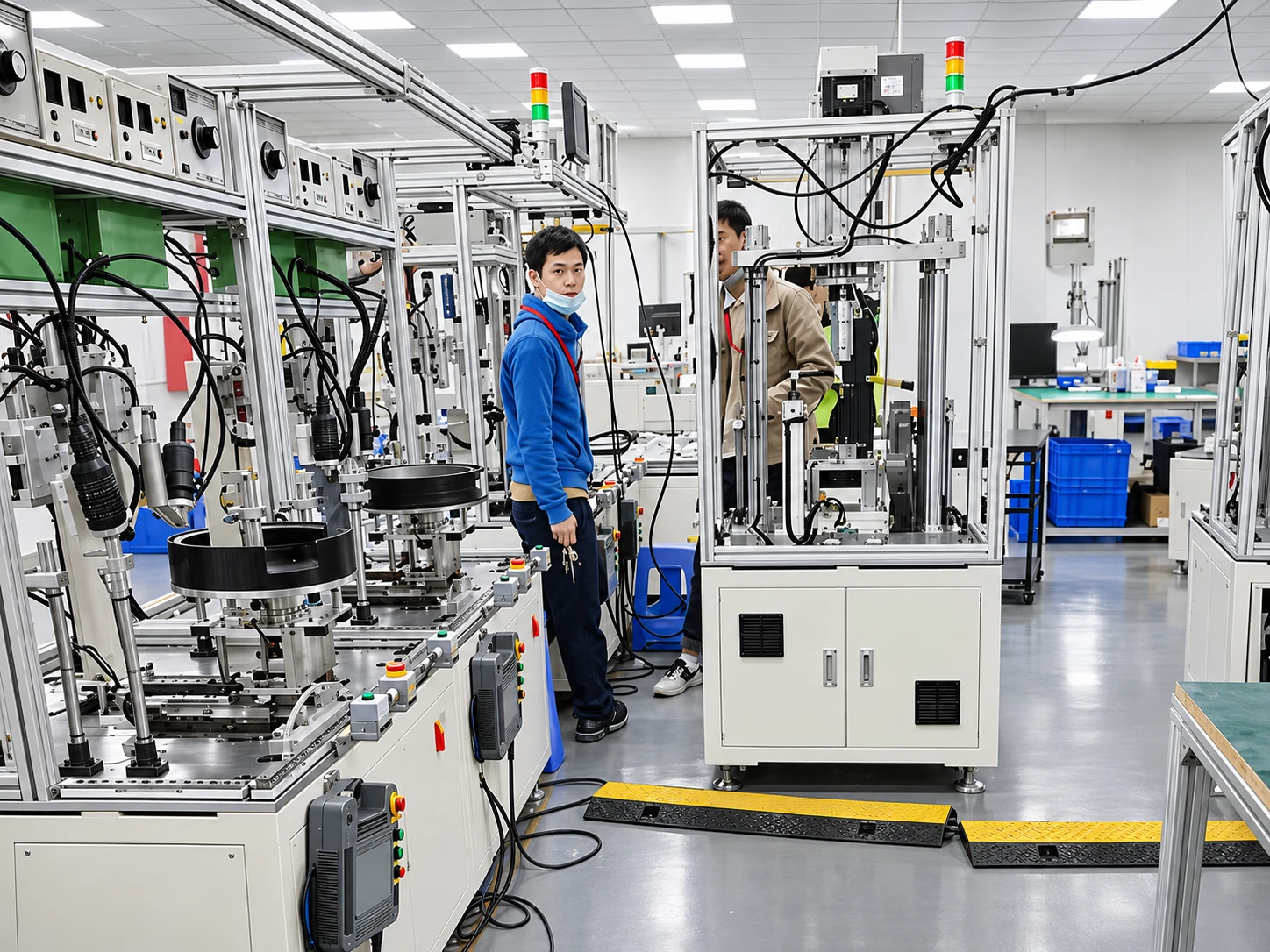
Adding indexing stations improves output only when loading, inspection, pressing, unloading and fault handling form a stable process. The number of stations should result from a cycle-time study, not be chosen first.
Plan the complete sequence
- Map part loading, recognition, locating, pressing, inspection and sorting
- Identify the slowest concurrent operation and indexing time
- Check orientation, missing-part and mixed-part detection methods
- Confirm fixture force paths, robot or feeder capacity and buffer requirements
- Define safety interlocks, part IDs, process records and NG handling
Share part drawings, assembly sequence, production volume, shifts, cycle-time targets and available floor space when requesting a proposal. Physical samples are particularly useful for evaluating gripping and part orientation. This article describes engineering methods, not guaranteed output for any specific BRUNSK machine.
This article is general engineering guidance. Machine functions, performance and acceptance criteria must be confirmed against representative samples and the specific project agreement.
Discuss an application with BRUNSK. You may share appropriate drawings, materials, target force, stroke, cycle time and inspection requirements.