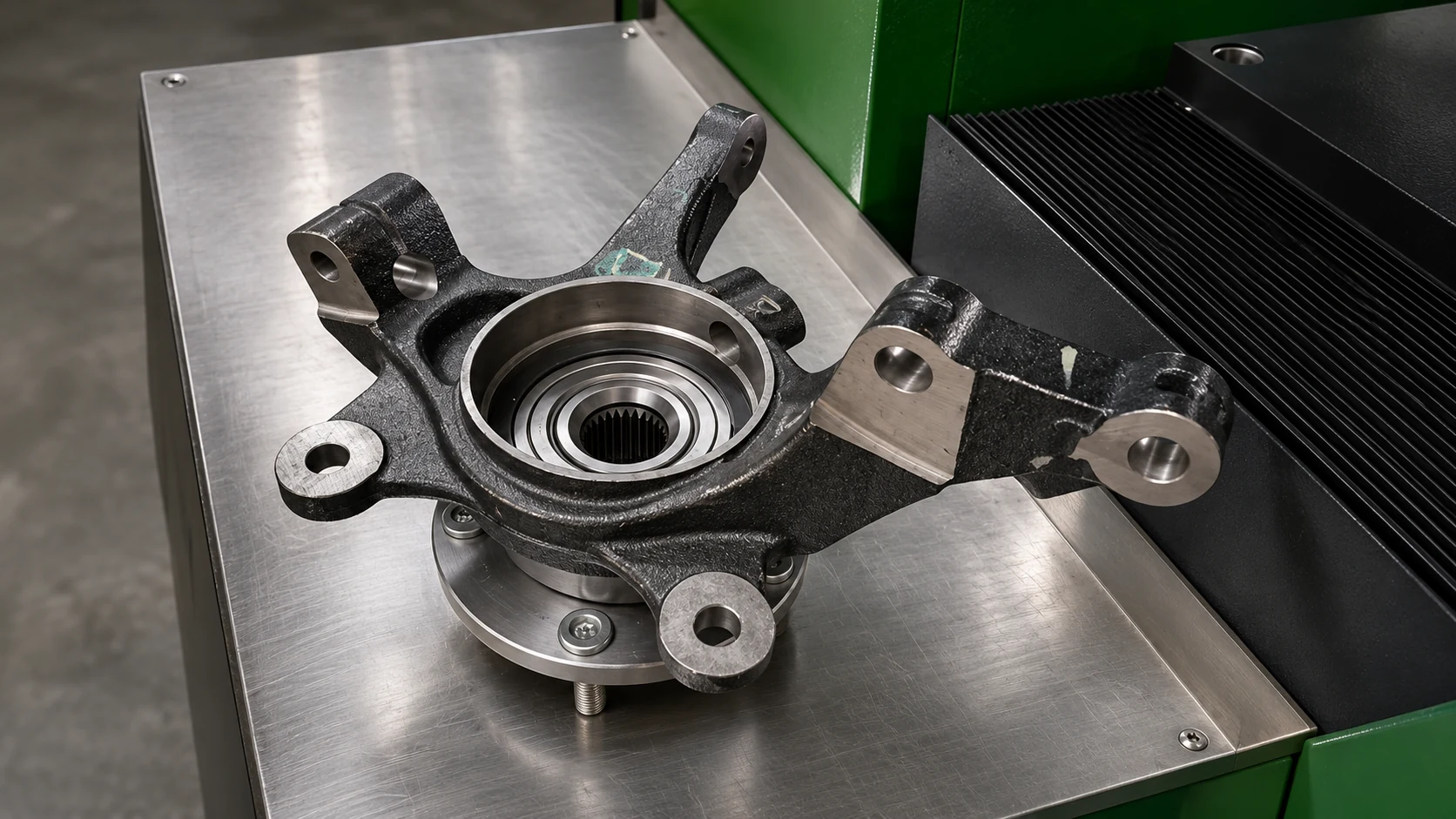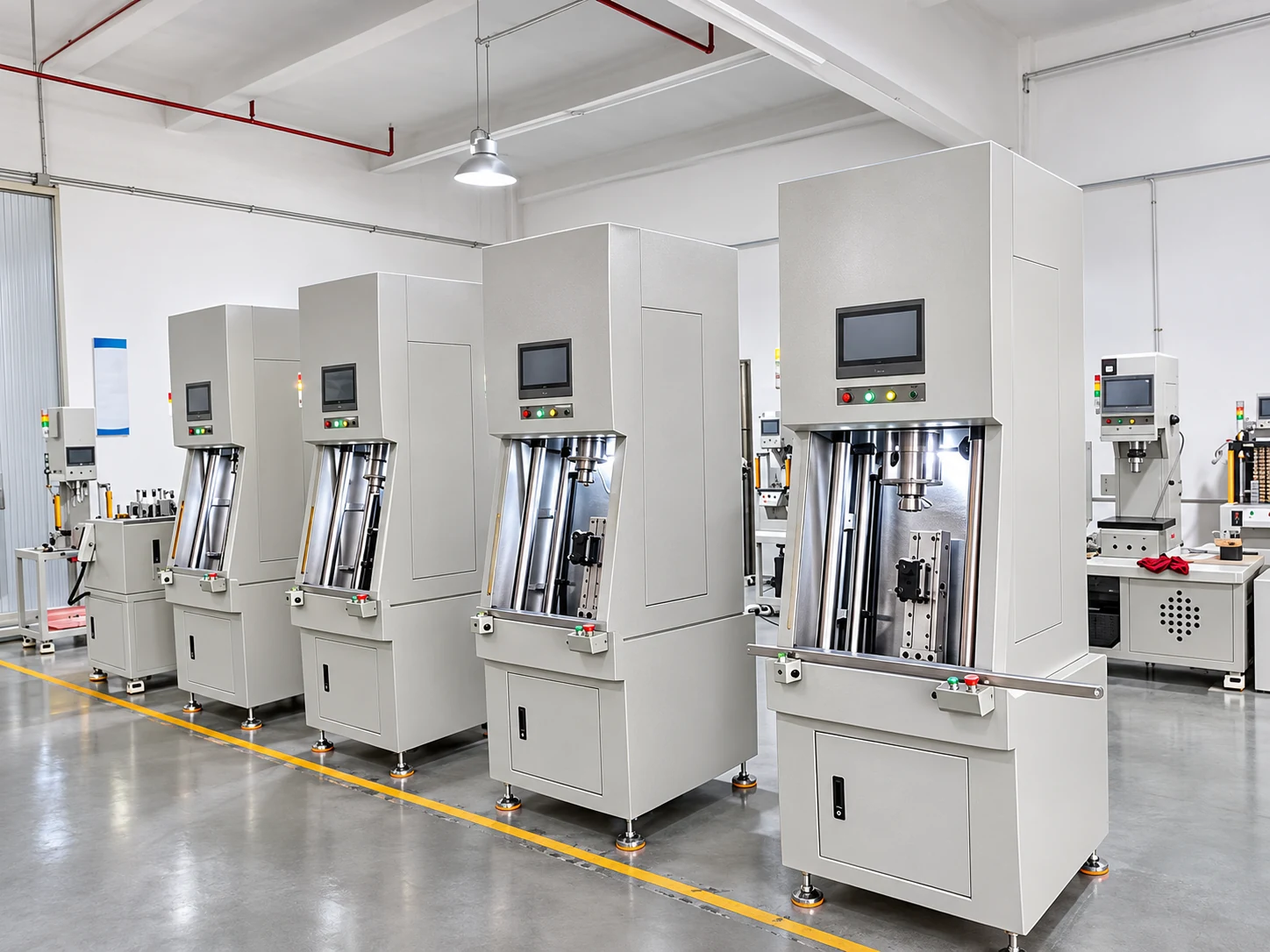
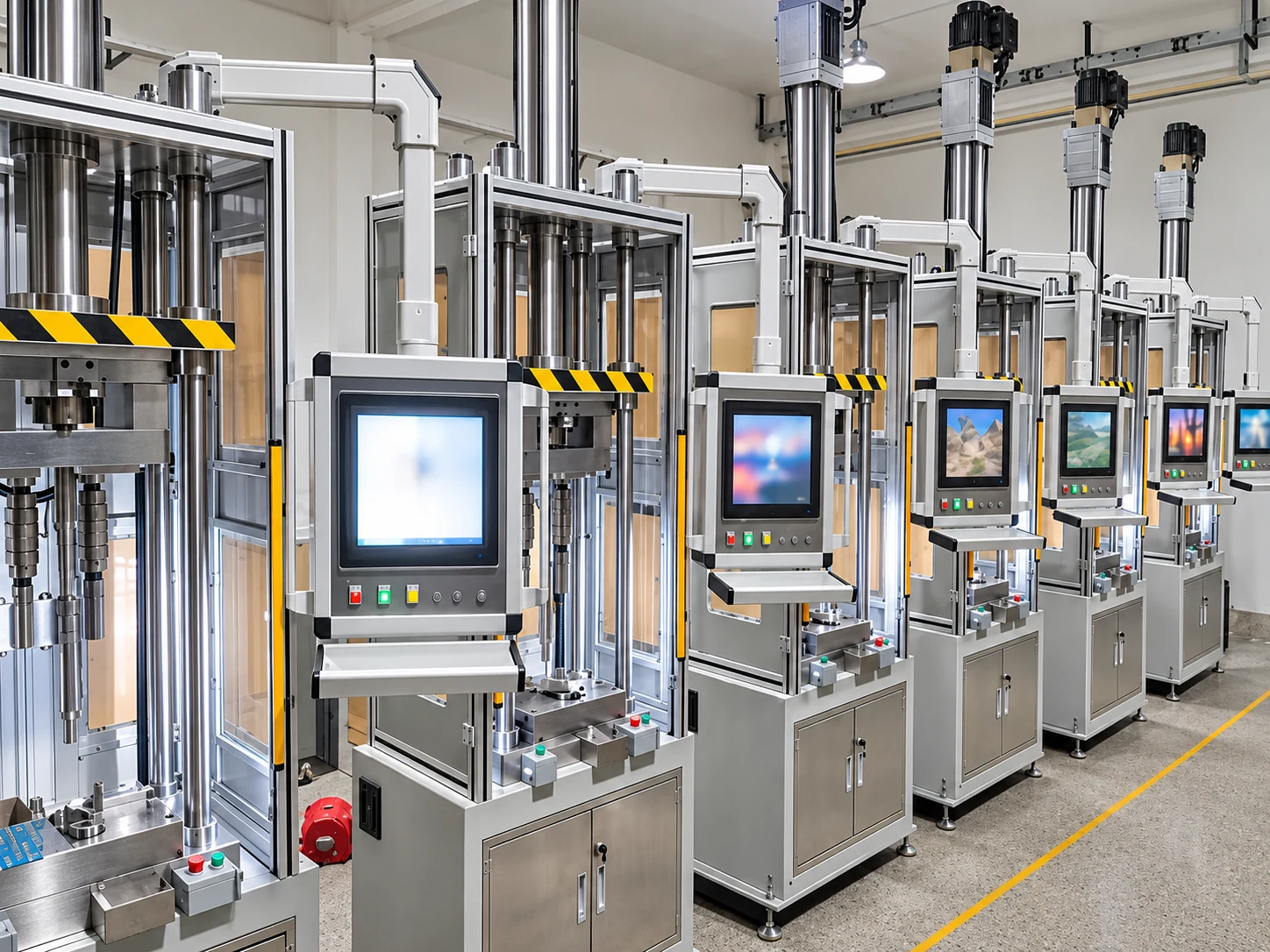
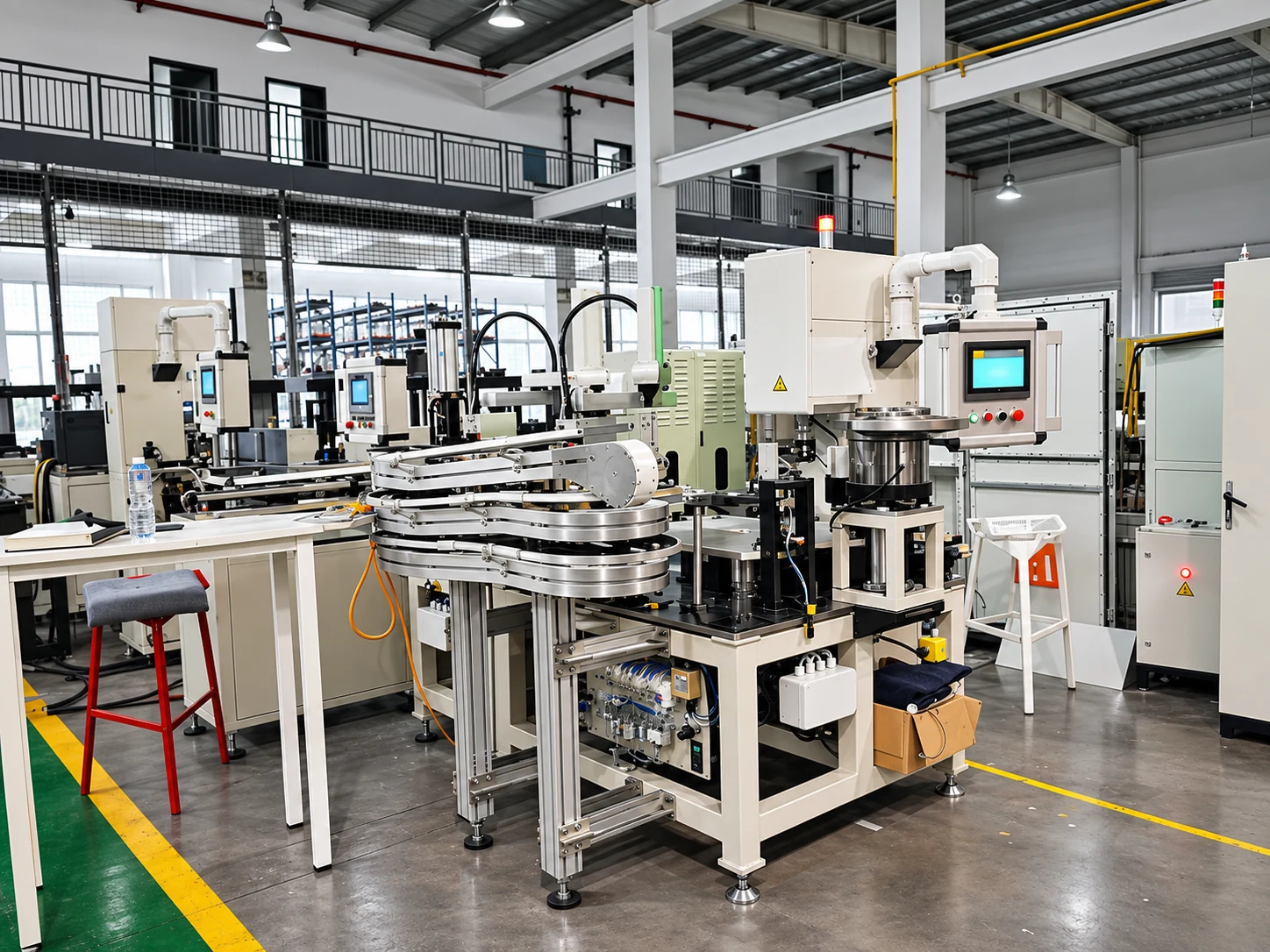
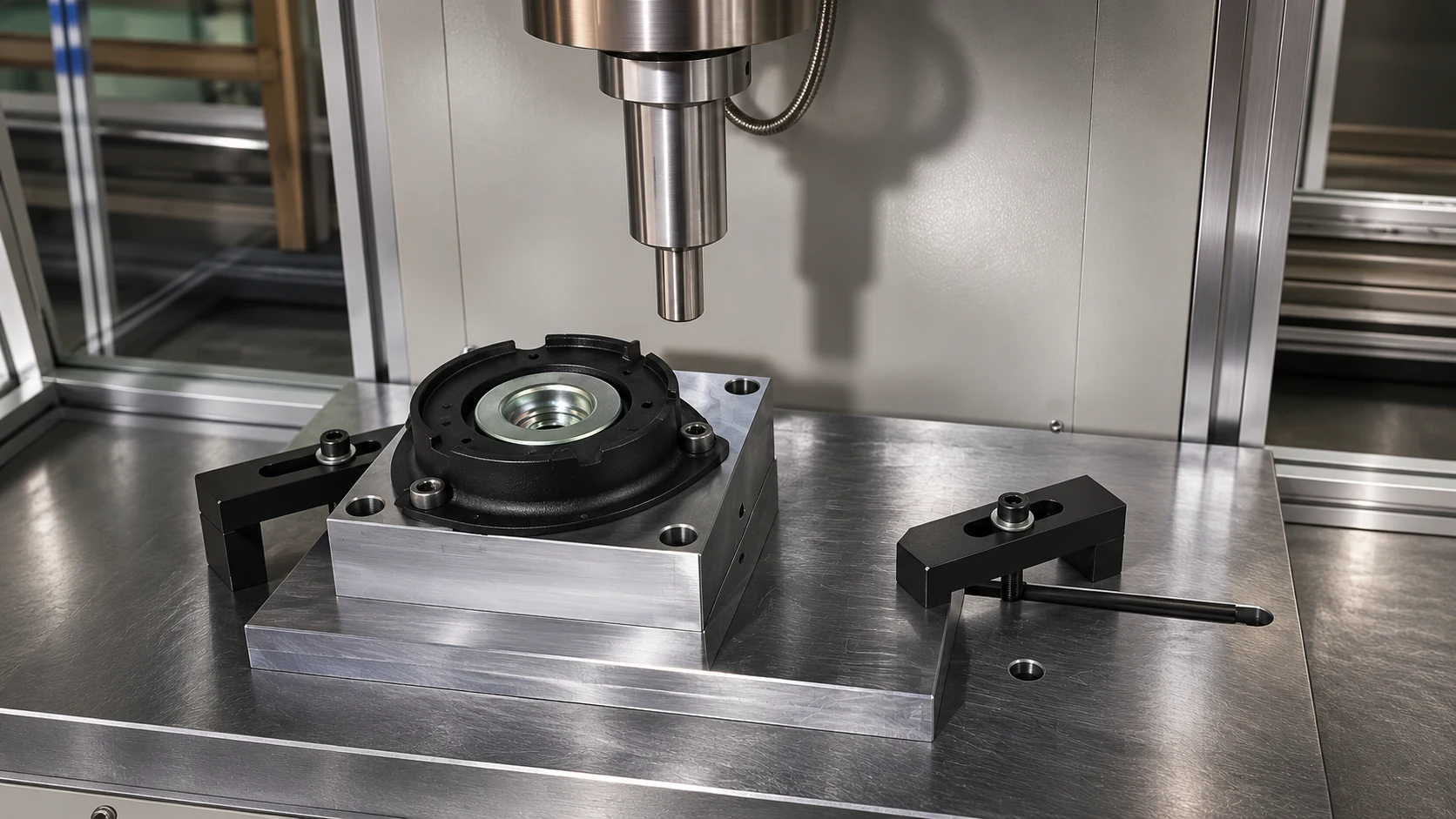
Holding force for a defined time and pressing to a defined depth are different process goals. Choose the strategy from the required product function and its accepted failure modes.
Three different control objectives
- Position control drives the tool to a specified position; verify true part depth and tooling compliance
- Force control uses measured load as feedback where the product is sensitive to applied force
- Dwell or holding maintains a defined load or state for a set duration when justified by testing
- Fast approach, slow pressing and contact detection need an agreed transition strategy
- Force, travel limits and safety interlocks must operate together
Stopping at a force threshold can leave different final depths when component tolerances vary. Conversely, fixed position alone can create overload. Confirm essential functional dimensions and test representative parts. The available control modes, closed-loop performance and data outputs depend on each machine’s actual controller and sensor configuration.
This article is general engineering guidance. Machine functions, performance and acceptance criteria must be confirmed against representative samples and the specific project agreement.
Discuss an application with BRUNSK. You may share appropriate drawings, materials, target force, stroke, cycle time and inspection requirements.